The Evolution of Augmented and Virtual Reality in Entertainment and Education
The Evolution of Augmented Reality and Virtual Reality
The landscape of technology has undergone a remarkable transformation with the advent of augmented reality (AR) and virtual reality (VR). These innovations began as experimental concepts but have burgeoned into vital tools for various aspects of daily life, particularly in entertainment and education, making their mark in mainstream culture.
In the realm of entertainment, the advancements in AR and VR have revolutionized how audiences engage with various forms of media. One of the most prominent developments includes:
- Immersive gaming experiences: Titles like Beat Saber and Half-Life: Alyx allow players to physically engage with the game environment, offering a level of interactivity that flat-screen games cannot match. Players can swing lightsabers or explore dystopian worlds, creating a feeling of presence and agency that redefines gaming.
- Enhanced storytelling: Films such as Bandersnatch from the Black Mirror series invite viewers to make choices that impact the narrative’s outcome, illustrating how technology can bridge the gap between audience and storyteller. This interactive layer not only entertains but fosters deeper emotional connections to the characters and storylines.
- Themed attractions: Parks like Universal Studios have integrated VR into their rides, offering experiences that range from flying alongside superheroes to navigating dinosaur-infested terrains. This fusion of physical rides with virtual enhancements captivates guests, providing unforgettable memories.
Similarly, the educational sector has embraced these technologies, reaping numerous benefits that enhance the learning experience:
- Virtual classrooms: During the COVID-19 pandemic, platforms like ClassVR enabled educators to create immersive lessons, allowing students to visualize complex scientific processes, such as chemical reactions, that would otherwise be difficult to grasp in traditional settings.
- Field trips in a headset: Students can virtually tour the Roman Colosseum or the depths of the Amazon rainforest without leaving their classrooms. Programs like Google Expeditions have made such explorations simple and accessible, enriching cultural and environmental understanding.
- Skill training: Industries from healthcare to aviation utilize VR for simulations that replicate real-world scenarios. Medical students can practice surgeries in a stress-free environment, while pilots can learn to fly various aircraft, significantly enhancing their skills without the risks associated with live practice.
The profound impact of AR and VR technologies continues to shape our experiences, fundamentally altering how we play, learn, and interact with the world around us. As we delve deeper into their evolution, it becomes evident that the potential for future applications remains vast, holding exciting promise for both personal and professional realms.
DISCOVER MORE: Click here to learn about Shein’s innovative approach
Transformative Role of AR and VR in Entertainment
The introduction of augmented reality and virtual reality has not only redefined gaming but also reshaped how stories are told and experienced across multiple platforms. As consumers demand more engaging and interactive content, entertainment companies have invested heavily in these technologies to enhance viewer engagement.
One noteworthy aspect is the emergence of immersive multi-platform experiences. Today’s audiences have access to limitless content that spans across devices, from gaming consoles to mobile phones. This connectivity allows players to seamlessly transition from their home consoles to mobile apps, maintaining their gaming progress and expanding the reach of their favorite titles. For instance, games like Pokémon GO have utilized AR to create real-world interaction, prompting players to explore parks and neighborhoods to catch virtual creatures. This blend of reality and gaming not only entertains but encourages physical activity and social engagement among users.
The advent of 360-degree content in film has allowed directors to immerse viewers in the narrative like never before. With VR headsets, users can explore scenes from multiple angles, providing a more personal experience compared to traditional media. Films like The Lion King have tapped into this technology by offering behind-the-scenes VR tours or special immersive experiences that draw audiences deeper into the story.
The Social Impact of AR and VR in Entertainment
Being part of a community is essential to the human experience, and AR and VR have taken social interaction to new heights. By facilitating shared virtual environments, these technologies allow friends and family to participate in activities together, regardless of physical location. For example:
- Virtual social platforms: Applications like VRChat enable users to create avatars and interact in virtual spaces, promoting a sense of belonging and community.
- Live events: Concerts and sporting events have harnessed VR technology, allowing fans to attend and interact with each other from the comfort of their own homes. This innovation became particularly relevant during the pandemic, bridging the gap when traditional gatherings were not possible.
- Online gaming communities: Multiplayer games have incorporated VR elements, allowing players to team up and strategize in real-time while providing a level of immersion that traditional gaming cannot offer.
As entertainment continues to evolve, so too does the role of AR and VR in shaping experiences. The fusion of these technologies has fostered not only innovative gameplay and storytelling but also a renewed sense of community among users. While entertainment has always served as a means of escape, these immersive experiences cultivate connections and foster interactions that bridge geographical divides.
DISCOVER MORE: Click here to learn about the transformation of shopping experiences
Expanding Horizons: AR and VR in Education
While the impact of augmented reality (AR) and virtual reality (VR) on entertainment is undeniably significant, their role in education is equally transformative. As educators seek innovative methods to engage students and enhance learning experiences, AR and VR technologies have emerged as powerful tools that redefine traditional teaching methods.
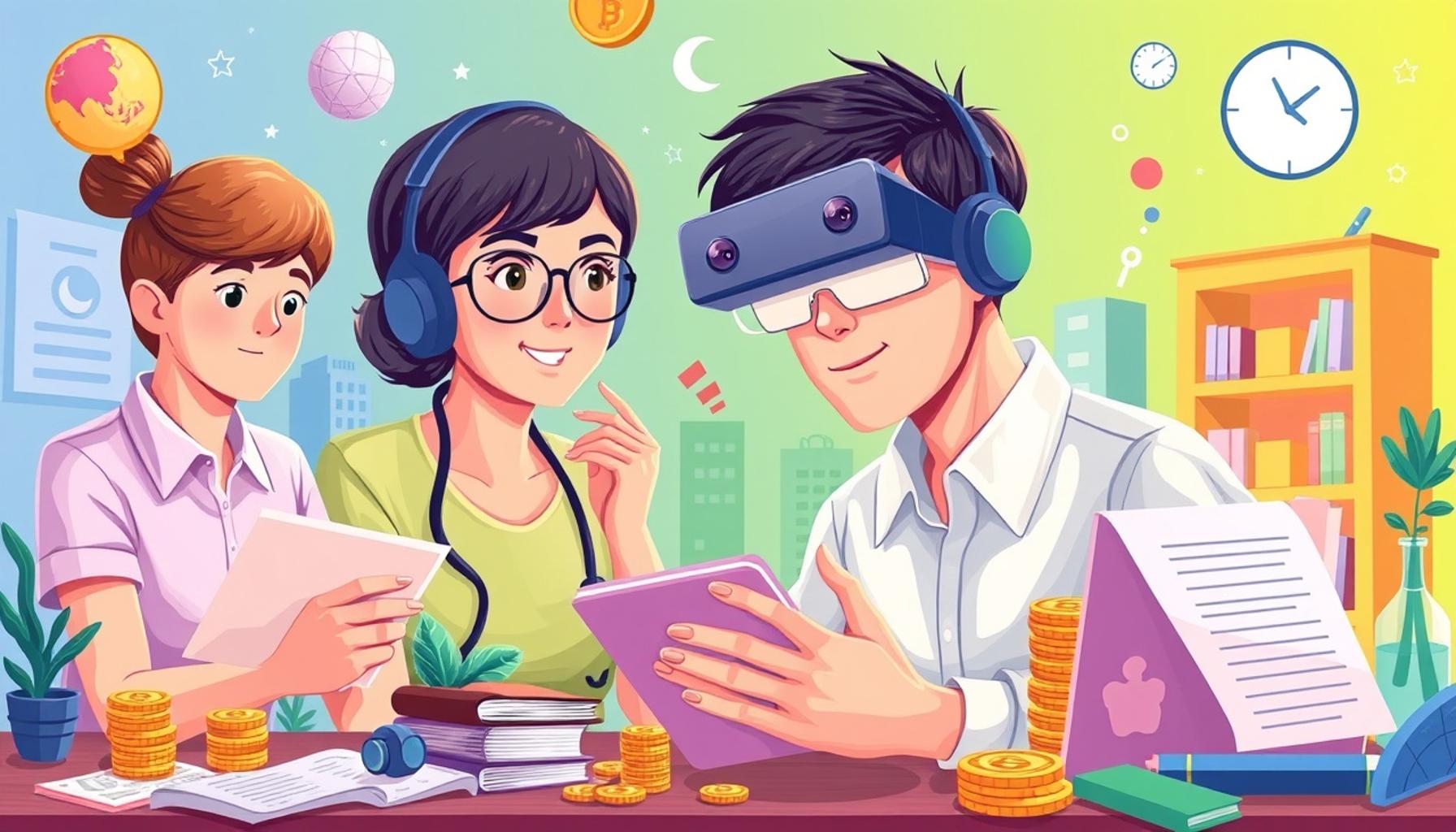
Immersive Learning Environments are at the forefront of this educational revolution. By utilizing VR headsets, students can explore historical sites, delve into the depths of the ocean, or even travel to outer space—all from their classroom. For instance, platforms like Google Expeditions allow teachers to take their students on virtual field trips to far-off places, providing a multisensory learning experience that books alone cannot achieve. Such immersive experiences not only capture students’ attention but also facilitate deeper understanding through experiential learning.
Benefits of AR and VR in the Classroom
The integration of AR and VR in educational settings comes with numerous benefits that enhance student engagement and retention. Here are some key advantages:
- Interactive Learning: Traditional learning can sometimes be passive; AR and VR introduce a level of interactivity that encourages students to actively participate. Utilizing AR applications like Merge Cube allows students to visualize and manipulate 3D objects, bringing complex subjects like anatomy or physics to life.
- Differentiated Instruction: Every student learns at their own pace and in their own style. AR and VR can accommodate various learning preferences by providing varied content delivery methods—visual, auditory, and kinesthetic—allowing each student to engage with material in a way that suits them best.
- Real-World Applications: AR and VR help students connect what they learn in the classroom to real-world scenarios. For example, medical students can practice surgical procedures in a risk-free VR setting, enabling them to build their skills and confidence before entering a clinical environment.
Moreover, the flexibility of these technologies allows for personalized learning experiences. With the ability to customize content and adapt to individual learning paths, educators can tailor lessons to address the unique needs and interests of their students, fostering a more inclusive environment.
Challenges to Overcome
Despite the promising potentials of AR and VR in education, several challenges remain. Cost is a significant barrier, as acquiring the necessary hardware and software can be prohibitively expensive for many educational institutions. Additionally, there is a pressing need for teacher training to ensure that educators are equipped to effectively integrate these technologies into their teaching practices. Without proper training and support, the effectiveness of AR and VR in classrooms may not reach its full potential.
Furthermore, accessibility is another important consideration. Not all students have equal access to the required technology, which can exacerbate existing inequalities in education. Ensuring that AR and VR tools are available to all students, regardless of socio-economic background, is a crucial step in realizing their full potential in transforming education.
As AR and VR technologies continue to evolve, the educational landscape is likely to undergo significant transformations. Emphasizing the role of immersive learning environments and recognizing both the potential benefits and challenges these technologies present will be essential as educators strive to foster innovative, engaging, and inclusive learning experiences in the 21st century.
DISCOVER MORE: Click here to dive deeper
Conclusion: The Future of Immersive Technologies
The evolution of augmented reality (AR) and virtual reality (VR) has significantly impacted both the entertainment and education sectors, offering transformative experiences that engage users in unprecedented ways. In entertainment, AR and VR create immersive environments that allow audiences to participate actively in their favorite stories, whether through interactive gaming or virtual concerts. This shift from traditional formats to immersive experiences enhances user engagement and enjoyment while pushing the boundaries of creativity.
In the realm of education, the integration of AR and VR technologies paves the way for interactive and experiential learning. As students engage with content in dynamic ways—such as exploring distant galaxies or manipulating 3D models—they not only grasp complex concepts more easily but also cultivate a genuine interest in learning. However, as we embrace these advances, it is crucial to address the challenges that accompany them. Cost, accessibility, and the need for adequate teacher training are hurdles that demand attention if we are to ensure equitable access and effective use of these technologies in classrooms across the nation.
As we move forward, the potential of AR and VR in entertainment and education is immense. By continuing to innovate and invest in these technologies while being mindful of their challenges, we can create more inclusive, engaging, and effective experiences for all learners. Thus, the future holds exciting possibilities as we harness the power of AR and VR to inspire, educate, and entertain generations to come.

Linda Carter
Linda Carter is a writer and expert known for producing clear, engaging, and easy-to-understand content. With solid experience guiding people in achieving their goals, she shares valuable insights and practical guidance. Her mission is to support readers in making informed choices and achieving significant progress.