
The Rise of E-Commerce and Its Implications for Physical Retail
The Impact of E-Commerce on Retail
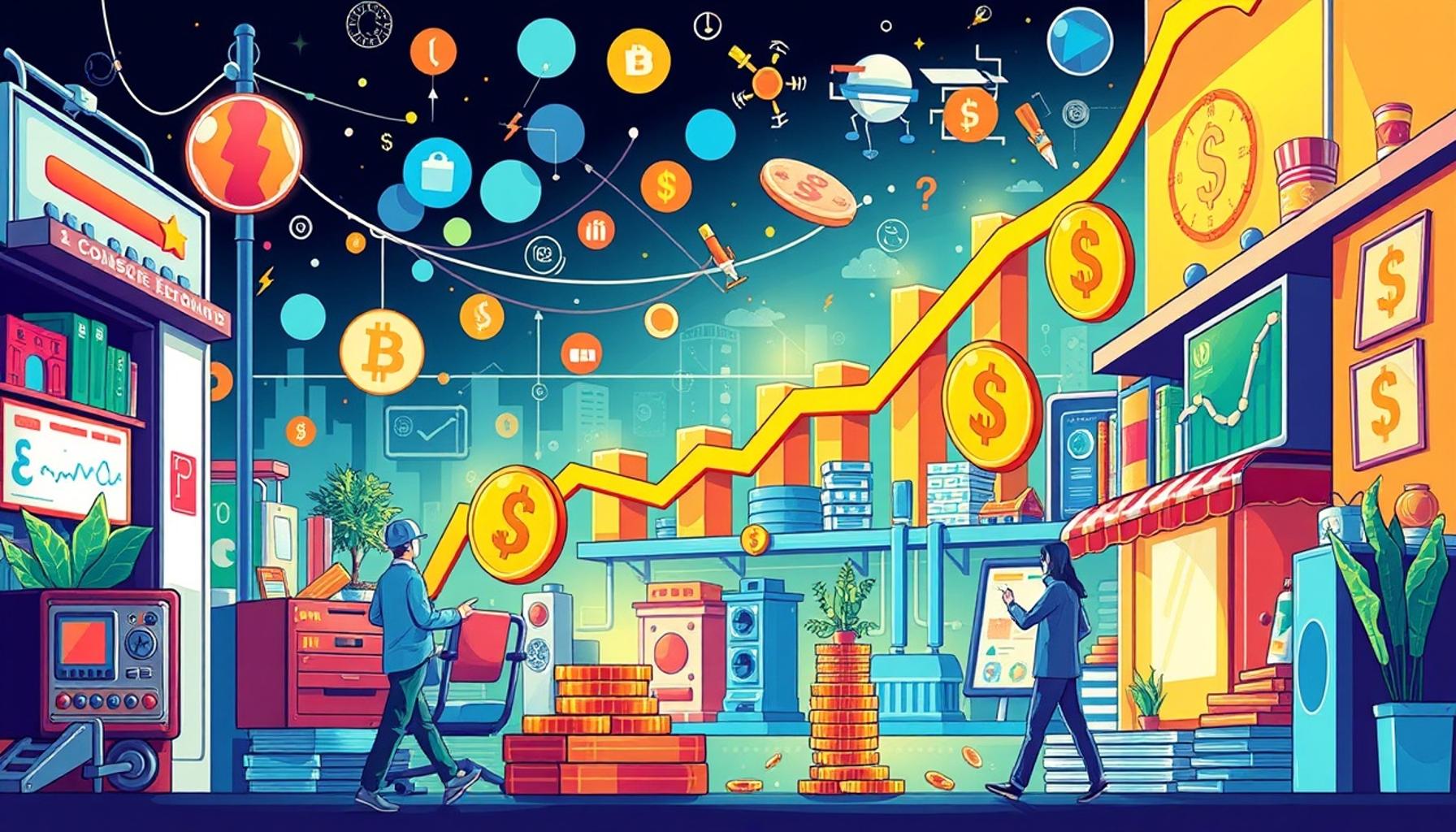
The rapid expansion of e-commerce has irrevocably transformed the retail landscape, altering how consumers approach shopping. In today’s world, accessing a vast array of products and services is easier than ever, often achievable with just a few clicks from the comfort of home. This exceptional convenience has initiated significant shifts in consumer behavior, compelling brick-and-mortar stores to adapt swiftly to these new realities.
Several key factors drive the rise of e-commerce:
- Accessibility: One of the most significant advantages of online shopping is its availability 24 hours a day, 7 days a week. Unlike traditional retail stores, which have fixed operating hours, e-commerce allows consumers to shop whenever they choose, whether it be early in the morning or late at night. This flexibility caters to the busy schedules that many people have today, making it easier for individuals to balance work, family, and leisure time.
- Variety: E-commerce platforms provide consumers access to a broader range of products than physical stores can typically offer. Shoppers can browse items from local shops, national brands, and international sellers, often finding niche products that may not be available in their immediate vicinity. For example, someone living in a small town can purchase specialty goods from a boutique based in New York City or even find artisanal products from local artisans around the world.
- Personalization: E-commerce websites leverage advanced data analytics to create customized shopping experiences based on individual preferences and past behaviors. Recommendations are often generated using algorithms that suggest products similar to those a consumer has viewed or purchased before. For instance, if someone frequently buys organic skincare products, they may receive suggestions for new organic lines, thereby enhancing their shopping experience.
As e-commerce continues to expand, physical retailers face challenges that necessitate innovative strategies to survive in this competitive landscape. To combat the rise of online shopping, many retailers are initiating the following approaches:
- Enhance customer experience: Brick-and-mortar stores are beginning to emphasize unique in-store experiences that cannot be replicated online, such as personalized customer service, live demonstrations, and interactive shopping. For example, beauty retailers often provide in-store makeovers or skincare consultations, which add value beyond product sales.
- Integrate technology: Physical retail spaces are increasingly utilizing technology for inventory management and customer engagement. Tools like mobile point-of-sale systems allow staff to assist customers without being tied to a checkout counter, streamlining the shopping process.
- Embrace omnichannel approaches: Retailers are focusing on creating a seamless transition between online and offline shopping experiences, enabling consumers to research products online and either pick them up in-store or have them delivered. This strategy not only enhances convenience but also ensures that businesses meet customer expectations regardless of how they choose to shop.
Understanding these shifts is crucial for stakeholders in the retail industry. By analyzing the implications of e-commerce, businesses can make informed decisions that align better with evolving consumer expectations. For instance, a retailer that recognizes the importance of an online presence might invest in developing a website that allows for easy navigation, comprehensive product descriptions, and user-friendly purchase options, directly appealing to the modern consumer’s needs.
In conclusion, the impact of e-commerce on retail has been profound, and adapting to these changes is essential for survival in a rapidly evolving market. Retailers who harness the benefits of e-commerce while providing outstanding in-store experiences will position themselves for ongoing success in this new shopping era.
DIVE DEEPER: Click here to learn more about the fast fashion revolution
Adapting to the E-Commerce Era
The emergence of e-commerce has not only changed consumer shopping habits but has also forced physical retail to rethink its approach. As online shopping becomes the norm, physical stores must adapt to the competitive environment fostered by e-commerce giants like Amazon and eBay. This adaptation involves a multi-faceted strategy that enhances the physical retail experience while catering to online consumer expectations.
One of the most significant adaptations is the focus on enhanced customer engagement. Physical retailers are recognizing that a visit to a store should offer more than just a transaction; it should be an experience. Innovative retailers are transforming their spaces into destinations through immersive displays, interactive features, and engaging events. For example, a local bookshop may hold author signings or reading events to draw in customers and create a community atmosphere that an online platform cannot replicate. This emphasis on a unique in-store experience can encourage customers to choose physical shopping over the convenience of e-commerce.
Furthermore, technology integration plays an essential role in bridging the gap between online and offline shopping. Retailers are harnessing technology to streamline their operations and enhance customer interactions. For instance, mobile apps can provide customers with instant access to inventory, allowing them to check if a specific product is available at their nearest location. Similarly, retail shops equipped with smart mirrors can provide virtual try-on experiences for customers, merging the worlds of online shopping and physical retail. This technology not only improves the shopping convenience but also keeps customers engaged and excited about their in-store visits.
Another trend gaining traction is the adoption of omnichannel strategies. This approach combines various shopping channels—online, mobile, and physical—into a cohesive experience. Retailers have begun to encourage customers to browse online, purchase items on their mobile devices, and then pick them up in-store for maximum convenience. This model not only caters to the consumer’s desire for flexibility but also helps retailers maintain inventory control and reduce delivery costs. A classic example is Target’s “Order Pickup” feature, where customers place orders online and collect them at a designated area, effectively blending online and in-store shopping.
As the competition intensifies, retailers must stay attuned to evolving consumer expectations and adjust their business models accordingly. Those that leverage technology, enhance customer experiences, and incorporate omnichannel strategies are more likely to thrive in this new environment. This evolution reflects a broader understanding of shopping as an experience rather than a simple transaction, opening numerous opportunities for physical retailers to flourish alongside their online counterparts.
DIVE DEEPER: Click here to learn more</
Leveraging Data for Competitive Advantage
In addition to enhancing customer engagement and integrating technology, physical retailers are increasingly turning to data analytics to gain a competitive edge in the e-commerce landscape. By harnessing data, retailers can tailor their offerings, improve inventory management, and create more personalized shopping experiences. The use of customer data—such as purchasing history, preferences, and online behavior—allows retailers to make informed decisions that resonate with consumer needs.
For example, traditional department stores are utilizing customer relationship management (CRM) systems to analyze shopping patterns. By understanding when customers are most likely to visit the store and what items tend to sell together, retailers can optimize their stock levels and arrange products in a manner that encourages additional purchases. Target, a popular retail chain, has successfully utilized data analytics to optimize product placement and promotions based on regional shopping tendencies, demonstrating how data can drive profitability.
Additionally, the use of customer feedback plays a vital role in refining the retail experience. Gathering insights through surveys, social media engagement, and reviews allows retailers to identify areas for improvement. For instance, a clothing retailer might notice a trend in negative feedback regarding the fit of a specific garment. By addressing these concerns, whether by adjusting sizing or offering more variety, the retailer not only improves customer satisfaction but also builds loyalty. This responsiveness to consumer feedback stands in stark contrast to the often static nature of online shopping, where customer interaction is less immediate.
Building a Community Connection
In a market increasingly dominated by e-commerce, physical retailers can thrive by focusing on building strong community connections. Local businesses have the unique advantage of being able to foster relationships that online retailers simply cannot replicate. Initiatives such as community events, workshops, or sponsorships of local sports teams help to create a sense of belonging and loyalty among customers. For example, a local bakery might host baking classes or free tasting events to draw foot traffic and foster a personal connection with shoppers.
Retailers can also capitalize on social media to enhance community ties and promote in-store events. Utilizing platforms like Instagram or Facebook allows businesses to showcase their personalities and connect with local customers on a more personal level. Engaging with customers through these platforms can encourage foot traffic as followers seek to participate in the events they see online. The ability to utilize social media effectively offers a way to blend the physical and digital shopping experiences into one cohesive brand identity.
Creating Sustainable Practices
As consumers become more environmentally conscious, physical retailers are exploring ways to implement sustainability practices to appeal to this growing demographic. Many shoppers today prefer brands that demonstrate a commitment to sustainability. For example, retailers are beginning to offer options such as eco-friendly packaging, promoting local products, or initiating recycling programs to reduce their environmental footprint. Whole Foods has implemented a program that allows customers to return hard-to-recycle items in-store, turning their physical location into a hub for responsible consumer practices. In doing so, they not only cater to customer preferences but also stand out from e-commerce competitors.
By leveraging data, nurturing community connections, and adopting sustainable practices, physical retailers can effectively navigate the e-commerce landscape, positioning themselves as indispensable alternatives to online shopping. These strategies not only enhance the shopping experience but also encourage brand loyalty, ensuring that even in an increasingly digital world, brick-and-mortar stores continue to thrive.
DISCOVER MORE: Click here to learn about effective strategies
Conclusion
The evolution of e-commerce has undoubtedly reshaped the retail industry, leading physical retailers to rethink their strategies in order to compete effectively. As we’ve explored, the integration of data analytics allows traditional stores to enhance customer experiences while optimizing inventory and product placements. Furthermore, building a sense of community through personal connections and local events fosters loyalty and attracts customers in ways that online platforms often cannot replicate.
Additionally, by embracing sustainability, retailers can appeal to the increasing number of environmentally conscious consumers. Initiatives that promote eco-friendly practices not only enhance the brand’s image but also set them apart in a competitive marketplace. In this context, physical retailers have a unique opportunity to redefine their purpose and create value beyond mere transactions.
In summary, while the rise of e-commerce poses challenges, it also paves the way for innovation and growth within physical retail. By focusing on personalized services, community engagement, and sustainable practices, brick-and-mortar stores can forge a path that not only coexists with online retailers but thrives alongside them. The retail landscape is evolving, and those who adapt to these changes with creativity and consumer-centric strategies will likely emerge as the leaders in the new era of shopping.

Linda Carter
Linda Carter is a writer and expert known for producing clear, engaging, and easy-to-understand content. With solid experience guiding people in achieving their goals, she shares valuable insights and practical guidance. Her mission is to support readers in making informed choices and achieving significant progress.