The Growing Importance of Cybersecurity in the Use of Credit Cards in Digital Transactions
Understanding the Importance of Cybersecurity in Digital Transactions
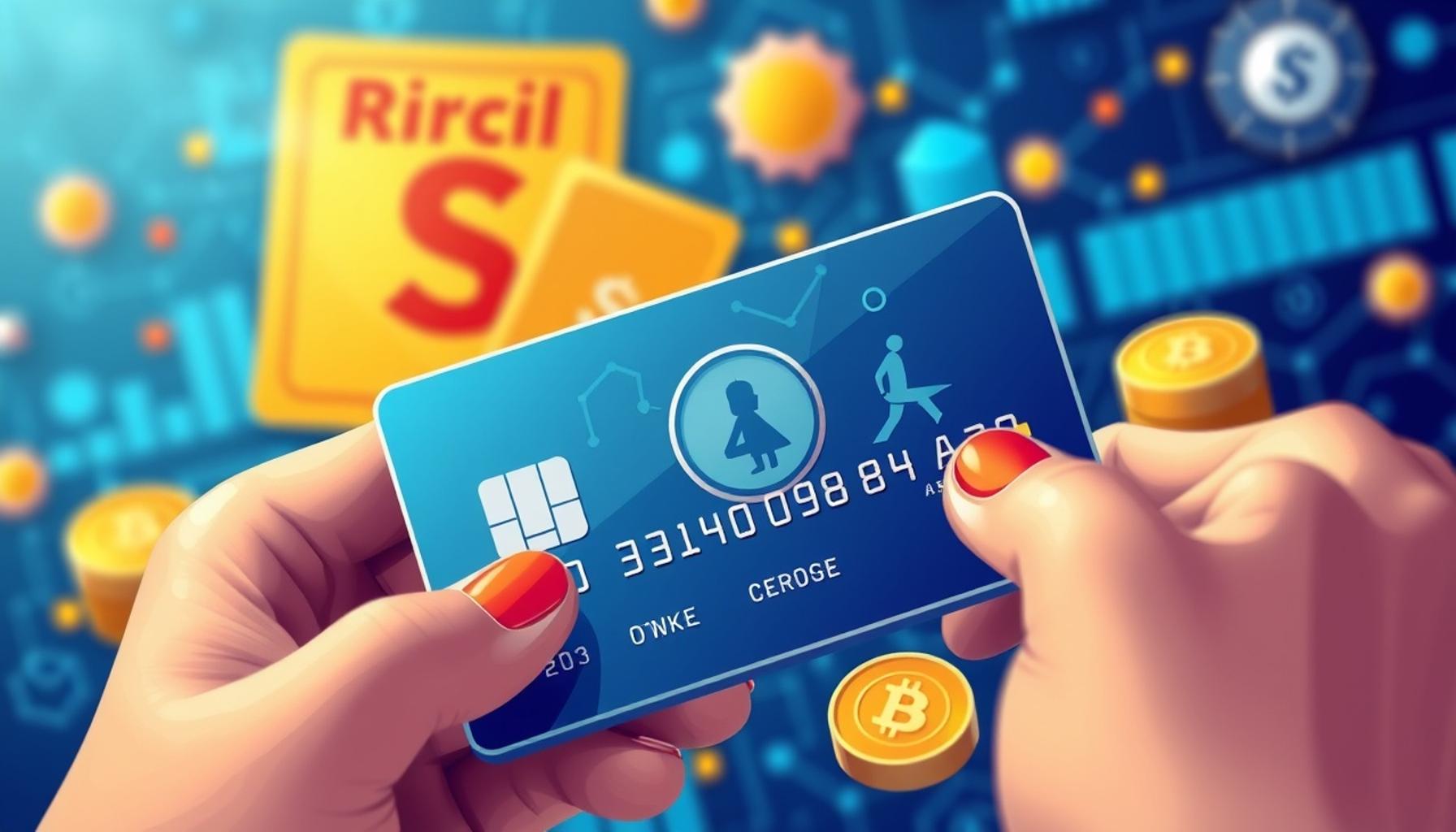
As our lives become more intertwined with technology, especially through online shopping and digital transactions, the necessity for strong cybersecurity measures becomes increasingly critical. With consumers turning to credit cards as a primary means of payment, it is vital to remain vigilant against a myriad of cybersecurity threats that could put personal financial information at risk.
To underscore this point, let’s examine a few common yet alarming examples of potential risks associated with digital transactions:
- Data breaches: These incidents frequently occur when hackers infiltrate corporate databases, gaining unauthorized access to sensitive data, including credit card numbers and personal identification details. High-profile breaches, such as the Target breach in 2013, exposed millions of consumers’ information, underscoring the necessity for robust security protocols.
- Phishing attacks: This method involves tricking individuals into providing personal information by impersonating legitimate entities via email or fake websites. For example, a well-crafted email that looks like it comes from your bank may ask you to verify your account by supplying your credit card information. Recognizing these scams is essential to safeguard your data.
- Malware: Malicious software can infect personal devices, enabling cybercriminals to access sensitive information without the user’s knowledge. For instance, keyloggers can track your keystrokes, capturing everything you type, including credit card numbers and passwords.
The threats mentioned above clearly highlight the urgency of understanding how to defend oneself against cybercrime. To effectively protect personal financial information, individuals must adopt several proactive strategies:
- Create strong, unique passwords: Passwords should be complex, combining letters, numbers, and special characters, and they should be unique for every online account. Using a password manager can help you keep track of these passwords without falling into the trap of reusing them.
- Implement two-factor authentication: This feature requires not only a password but also an additional verification step, such as a text message code sent to your phone. This ensures that even if your password is compromised, your accounts remain secure.
- Regularly monitor bank statements: Keeping an eye on your bank transactions helps you detect any unauthorized activity quickly. If you notice suspicious charges, report them to your bank immediately. Many financial institutions offer alerts for unusual account activity which can serve as an early warning system.
As we explore this vital topic further, readers will gain a clear understanding of the key aspects of cybersecurity that every credit card user should know, enabling them to navigate the often treacherous digital landscape safely and securely.
DISCOVER MORE: Click here to learn about financial efficiency strategies
The Rising Threat Landscape for Credit Card Users
As the prevalence of online shopping continues to soar, consumers find themselves increasingly vulnerable to cyber threats targeting their credit card information. With the convenience of digital transactions comes a responsibility to understand and navigate the complex security landscape that accompanies them. The threats to credit card security are not merely hypothetical; they are very real and constantly evolving. To effectively protect yourself, it is essential to recognize these threats and understand the significance of cybersecurity.
One of the most prevalent threats is the practice of data theft, which occurs when cybercriminals exploit weaknesses in online systems to steal sensitive information. Cybercriminals often focus on major retailers that process credit card transactions, as breaches in these systems can result in vast amounts of stolen data. For instance, in 2017, the Equifax data breach compromised the personal information of approximately 147 million Americans, highlighting the risks associated with sharing personal financial information online. This breach included social security numbers, credit card numbers, and other sensitive data, prompting consumers to take more proactive measures in securing their financial safety.
Another significant risk is the rise of card-not-present (CNP) fraud. With the surge in e-commerce, CNP fraud has become a common tactic for cybercriminals. In this scenario, criminals make fraudulent purchases using stolen credit card information without the cardholder’s physical card. The Federal Trade Commission (FTC) reported that CNP fraud accounts for a substantial percentage of the total fraud losses in the United States. As online platforms become increasingly popular for making purchases, it is crucial for consumers to be aware of how their credit card information can be exploited.
To combat these dangers, several best practices should be adopted by consumers to enhance their cybersecurity posture. Here are essential steps to consider:
- Always use secure websites: Look for URLs that begin with “https://” rather than “http://”. The “s” stands for secure and indicates that the site uses encryption to protect your data.
- Be cautious with public Wi-Fi: Avoid entering your credit card information when connected to public Wi-Fi networks, as these connections can often be insecure and more susceptible to interception.
- Educate yourself about online threats: Understanding how common scams and fraud attempts work can bolster your ability to recognize potential dangers. Regularly reading about cybersecurity best practices can empower you to be more vigilant.
In the ever-changing digital landscape, the responsibility of protecting your credit card information rests on your shoulders. By familiarizing yourself with potential threats and implementing practical cybersecurity measures, you can contribute to safeguarding your personal financial information while navigating the world of digital transactions.
DIVE DEEPER: Click here to learn how to apply
Emerging Solutions and Tools for Enhanced Cybersecurity
To safeguard against the ever-growing threats associated with credit card use in digital transactions, various innovative solutions and tools are emerging to bolster cybersecurity. As a consumer, it’s important to stay informed about these advancements, as they can significantly reduce your vulnerability to fraud.
One such tool is the adoption of two-factor authentication (2FA). This added layer of security requires users to authenticate their identity using two different methods before they can access their accounts or conduct transactions. For instance, after entering your password, you might receive a unique code via text message that you must also enter. This way, even if a cybercriminal manages to steal your password, they will still face a significant hurdle in conducting unauthorized transactions. Many banks and financial institutions offer 2FA as a standard feature, and taking advantage of it can greatly enhance your account security.
Moreover, financial institutions are increasingly implementing real-time fraud monitoring systems. These systems analyze transaction patterns and behavior to detect anomalies. For example, if your credit card is used in a different country just moments after you made a purchase in your hometown, the transaction could be flagged as suspicious. In many cases, banks may freeze the account and alert the cardholder to prevent any potential fraud. Being aware of these real-time measures lets consumers feel a sense of security when making purchases online.
Another prominent solution is the transition to chip-enabled credit cards. Chip technology provides a more secure method of processing credit card transactions compared to traditional magnetic stripe cards. Each time a chip card is used, it generates a unique transaction code that is difficult for fraudsters to replicate. This technology has become a staple in the retail world, significantly reducing instances of in-person fraud and providing more robust protection for both consumers and merchants.
Additionally, with the surge in mobile payment solutions, many consumers are turning to digital wallets as a secure way to conduct transactions. Services like Apple Pay, Google Pay, and Samsung Pay use tokenization, encrypting your credit card information so it is not shared directly with merchants. Instead, tokenized credentials replace your actual card number, which helps protect against potential breaches. The growing acceptance of these digital payment options reflects their ability to provide added security measures while allowing for a seamless purchasing experience.
Furthermore, staying educated about the importance of credit card monitoring cannot be overstated. Many banks offer services that alert users to any changes in their credit accounts. By signing up for these alerts, you can keep track of transactions, receive notifications for large purchases, and act quickly if any suspicious activity arises. It’s also a good idea to periodically check your credit report to spot any inconsistencies that may indicate fraudulent activity.
- Engage in cybersecurity education: Workshops and online resources can empower consumers to understand how to protect themselves effectively in the digital marketplace.
- Consider using a virtual credit card: Some banks and financial institutions offer virtual card numbers for online transactions, providing an extra layer of protection while keeping your actual card information secure.
As cyber threats continue to evolve, the importance of employing robust cybersecurity measures in the realm of credit card transactions should never be underestimated. By remaining vigilant and utilizing available tools and resources, consumers can protect their financial information and navigate the world of digital transactions with confidence.
DIVE DEEPER: Click here for a detailed guide
Conclusion
In conclusion, as we navigate through an increasingly digital world, the importance of cybersecurity in credit card transactions cannot be overstated. With rising cyber threats, it is essential for consumers to leverage the powerful tools available today to protect themselves. Utilizing measures like two-factor authentication, real-time fraud monitoring, and chip-enabled cards can significantly reduce the risks associated with online transactions. Furthermore, embracing digital wallets and staying updated on account activity through credit card monitoring can add layers of security to our financial dealings.
Equally important is the need for ongoing education about cybersecurity. Engaging in workshops or accessing online resources can equip consumers with vital knowledge about current threats and effective protective measures. As cybercriminals continually evolve their tactics, remaining aware and proactive is key. By adopting a mindset of vigilance and utilizing the available resources, consumers can not only safeguard their financial information but also enjoy a more secure online shopping experience.
Ultimately, understanding and prioritizing cybersecurity in the use of credit cards is not just about protecting personal finances; it’s about embracing a culture of security that allows us to confidently engage in the digital marketplace. As we advance, let us commit to enhancing our cybersecurity awareness, ensuring our transactions remain safe in a rapidly changing digital landscape.

Linda Carter
Linda Carter is a writer and expert known for producing clear, engaging, and easy-to-understand content. With solid experience guiding people in achieving their goals, she shares valuable insights and practical guidance. Her mission is to support readers in making informed choices and achieving significant progress.