
Sustainable Technology: Innovations Transforming Industry and the Environment
Understanding Sustainable Technology
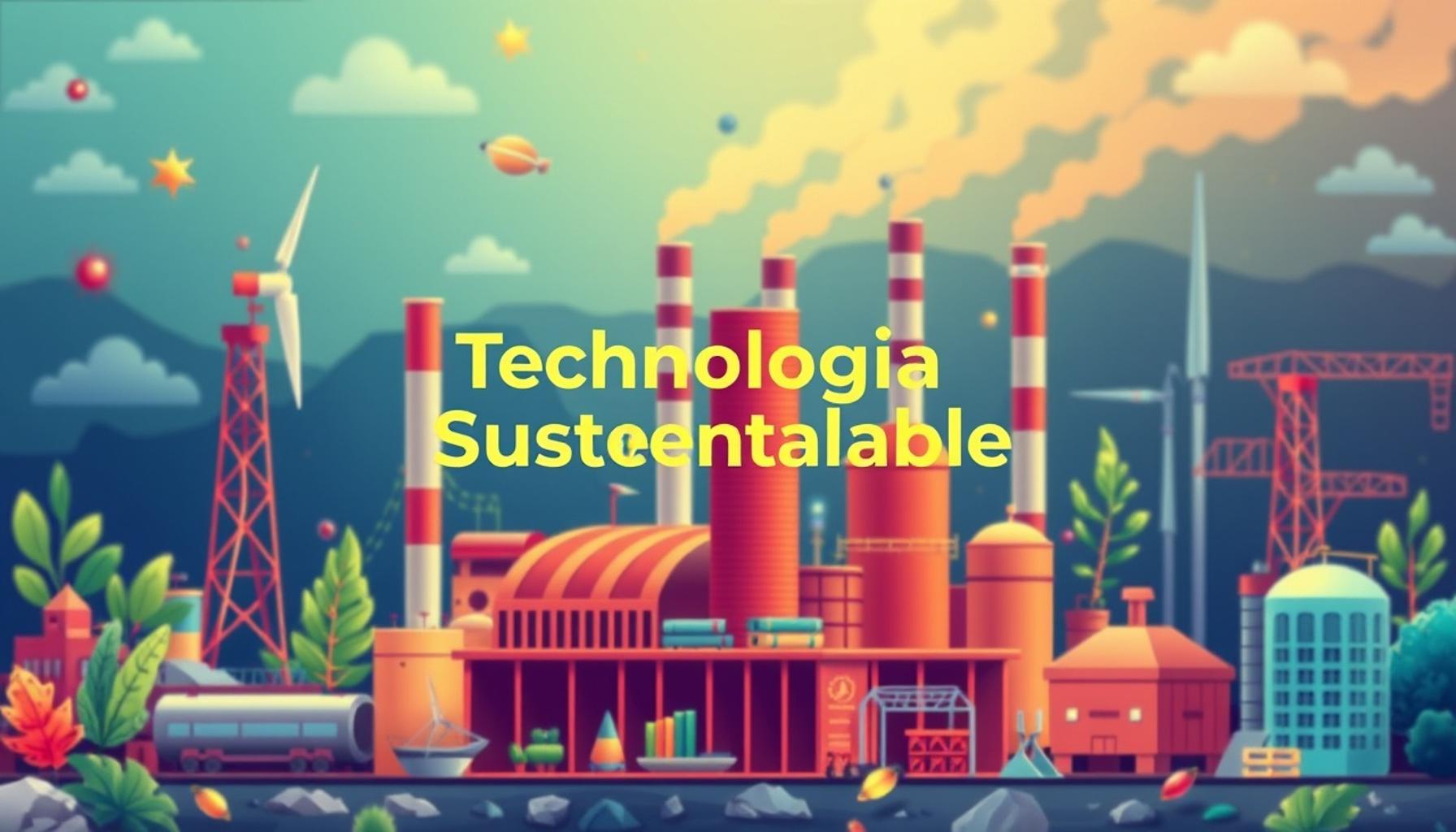
Sustainable technology is transforming the landscape of various industries, offering profound changes that not only benefit businesses but also ensure the well-being of our planet. This movement is crucial for long-term environmental health, particularly in light of pressing issues such as climate change, resource depletion, and pollution. The innovations stemming from sustainable practices provide effective solutions that aim to reduce waste, conserve resources, and promote a healthier ecosystem.
Key Areas of Impact
Several key domains illustrate how sustainable technology is making remarkable strides:
- Renewable Energy: Technologies like solar panels, wind turbines, and hydroelectric systems are at the forefront of reducing our dependence on fossil fuels. For example, the increase in solar power installations across the United States, especially in states like California and Texas, showcases how renewable energy contributes to cleaner air and a more stable climate.
- Smart Agriculture: Innovations such as precision farming employ drones, sensors, and data analytics to optimize crop production. Farmers can now monitor soil conditions and weather patterns in real-time, enabling them to use the exact amount of water and fertilizers needed. This not only boosts yields but also conserves vital resources.
- Circular Economy: Businesses are shifting toward a circular economic model where products are designed with their entire life cycle in mind. Companies like Interface, a flooring manufacturer, focus on reusing materials from old carpets to create new products, significantly reducing waste and the need for new raw materials.
Benefits of Sustainable Practices
The adoption of these technologies results in numerous benefits for society and the environment:
- Reduce Carbon Footprint: By employing renewable energy sources and energy-efficient technologies, businesses can drastically cut down on greenhouse gas emissions. For instance, a local manufacturing plant that transitions to solar energy could lower its emissions significantly, contributing to cleaner air and a healthier planet.
- Enhance Efficiency: Improved energy efficiency not only lowers operational costs but also conserves natural resources. For example, LED lighting in offices consumes less energy than traditional bulbs, leading to reduced electricity bills and lower environmental impact.
- Foster Economic Growth: Implementing sustainable practices often leads to job creation in emerging markets focused on green technology. A growing number of firms specialize in the design and installation of renewable energy systems, creating new career pathways in engineering, installation, and maintenance.
As we move forward, the integration of sustainable technology into everyday practices is not just beneficial but imperative for the survival of our ecosystems. It is essential for industries, consumers, and governments to collaborate and invest in these advancements. By engaging with these innovations, we can effectively build a sustainable future that harmonizes economic growth with environmental stewardship, ensuring a healthier planet for generations to come.
DISCOVER MORE: Click here for details on applying
Innovative Approaches to Sustainable Technology
As industries evolve, innovative solutions arrive to address both economic challenges and environmental concerns. Sustainable technology serves as a bridge, connecting the need for profitability with the urgent requirement for ecological preservation. This hybridization of goals has led to the emergence of techniques and tools that are reshaping traditional practices across various sectors.
Renewable Energy Solutions
Renewable energy is perhaps the most visible frontier in sustainable technology. By harnessing the power of natural resources, we can generate energy that minimizes environmental impact. In the United States, we have seen a significant uptick in the adoption of solar energy systems. For instance, states like California lead the way, with numerous households and businesses installing solar panels, which not only lowers electric bills but also promotes cleaner energy. Solar power, along with wind energy harnessed through state-of-the-art turbines, is pivotal in the country’s efforts to transition away from fossil fuels.
Smart Transportation Systems
The transportation sector, notorious for its substantial carbon emissions, is also undergoing a technological transformation. Electric vehicles (EVs) are at the forefront of this change. Companies like Tesla are pioneering electric car technology, which offers an alternative to gas-powered vehicles. EVs utilize advanced battery technologies and renewable energy sources for charging, significantly cutting down greenhouse gas emissions. Furthermore, smart transportation systems that incorporate data analytics and artificial intelligence aim to optimize traffic flow and reduce congestion, making every commuter’s journey more efficient.
Waste Reduction and Management
Innovations in waste management are equally crucial. The advent of smart waste management systems employs IoT (Internet of Things) devices to monitor waste levels in real-time, ensuring optimal collection efficiency. Cities such as San Francisco have implemented these systems, which can identify when bins are full and coordinate collection schedules accordingly. This proactive approach not only decreases operating costs but also reduces unnecessary carbon emissions from collection vehicles.
Water Conservation Technologies
Water scarcity is a critical issue, especially in areas prone to droughts. Sustainable technologies are stepping in to address this challenge by developing systems that conserve and efficiently manage water resources. Smart irrigation practices, for example, utilize sensors to determine when and how much water is needed for agricultural crops. This not only conserves water but also increases crop yields. In urban settings, rainwater harvesting systems allow homeowners to collect and utilize rainfall, decreasing dependency on municipal water supplies.
As industries adapt to these sustainable practices, the collective impact can be substantial. From reducing carbon emissions and conserving resources to fostering economic development, the role of sustainable technology cannot be understated. Embracing these innovations is no longer merely a choice; it has become a necessity for both industries and the environment.
DISCOVER MORE: Click here to learn about effective strategies</a
Bridging Industry and Environmental Needs
In recent years, sustainable technology has not only represented an upgrade in performance but also has become a key driver of growth for various industries. By adopting eco-friendly practices and advanced systems, companies are discovering that sustainable innovations can lead to increased competitiveness and improved operational efficacy.
Circular Economy Initiatives
The concept of a circular economy is gaining traction as industries seek to minimize waste and maximize resource efficiency. Unlike the traditional linear model, where products are made, used, and discarded, a circular economy promotes the idea of continually reusing materials. For instance, companies like Patagonia are pioneering the way by encouraging customers to repair and recycle their clothing, thus extending the lifecycle of products. Furthermore, businesses are investing in processes that harness recycled materials in manufacturing. This shift not only reduces the demand for raw materials but also significantly decreases energy consumption and greenhouse gas emissions.
Biotechnology Advancements
Biotechnology plays a transformative role in creating sustainable solutions across agriculture, medicine, and environmental management. Genetic engineering is now being used to develop crops that require fewer pesticides and less water, ultimately decreasing their impact on the environment. Companies like Bayer are working on seeds that are naturally more resistant to pests, decreasing the need for chemical interventions. Additionally, bioremediation techniques utilize living organisms to clean polluted environments, such as oil spills, promoting healthier ecosystems without introducing harmful substances.
Green Building Technologies
The construction sector is also undergoing a significant transformation with the implementation of green building technologies. Building materials derived from sustainable sources, as well as designs optimized for energy efficiency, are now becoming industry standards. For instance, structures employing *LEED (Leadership in Energy and Environmental Design)* certifications utilize materials that minimize environmental impact and focus on energy savings. Features such as green roofs, which absorb rainwater and reduce the urban heat island effect, are gaining popularity in metropolitan areas across the United States.
Digital Solutions for Sustainability
As digital transformation becomes integral to businesses, technology is making strides in enabling sustainability initiatives. The integration of blockchain technology, for example, allows for complete transparency in supply chains, ensuring that materials are sourced responsibly. In agriculture, drones equipped with sensors are employed to monitor crop health, allowing farmers to apply fertilizers and pesticides more precisely and reduce waste. These digital solutions not only facilitate more responsible practices but also offer cost savings for businesses that adopt them.
Collaboration in Sustainability Efforts
Finally, collaboration among businesses, governments, and non-profits is critical for achieving sustainability goals. Initiatives like the *United Nations Global Compact* encourage organizations to unite in their efforts toward sustainable practices. Companies can share best practices, pooling resources and knowledge to innovate better solutions. For example, the partnership between tech giants and local governments to implement smart grid systems is yielding significant energy savings while improving service reliability.
The integration of these innovative technologies demonstrates a shift towards a more sustainable future. Companies embracing these solutions are not just improving their bottom lines but are also contributing positively to the environment and society at large.
EXPLORE MORE: Click here to discover the impact of emerging technologies
Conclusion: The Path to a Sustainable Future
In summary, the rise of sustainable technology is paving the way for a transformative approach to how industries operate and interact with the environment. By embracing circular economy principles, companies are learning to reduce waste and optimize resources, which not only conserves materials but also enhances their market position. Through advancements in biotechnology, we see an opportunity to cultivate crops in a way that significantly lowers environmental impact, demonstrating that innovation can lead to stronger food security while protecting our ecosystems.
The construction sector’s adoption of green building technologies highlights a commitment to creating energy-efficient spaces that benefit both the economy and the planet. Furthermore, digital solutions are empowering businesses to monitor and improve their sustainability efforts, allowing them to operate more transparently and efficiently. Technology, in this context, has become an invaluable ally in fostering responsible practices.
However, the journey toward sustainability is not one that can be navigated alone. Collaboration across sectors—between businesses, governments, and non-profits—is essential for sharing knowledge and best practices, ultimately leading to innovative solutions that benefit all stakeholders. As we move forward, it is clear that the intersection of industry and sustainability is not merely a trend but a necessary paradigm shift. By committing to sustainable innovations, we can cultivate a future that honors both economic vitality and environmental stewardship, ensuring a healthier planet for generations to come.

Linda Carter
Linda Carter is a writer and expert known for producing clear, engaging, and easy-to-understand content. With solid experience guiding people in achieving their goals, she shares valuable insights and practical guidance. Her mission is to support readers in making informed choices and achieving significant progress.