The Evolution of Visual Content in Social Media and Its Impact on Filipino Audience Engagement
Transformative Power of Visual Content in the Philippines
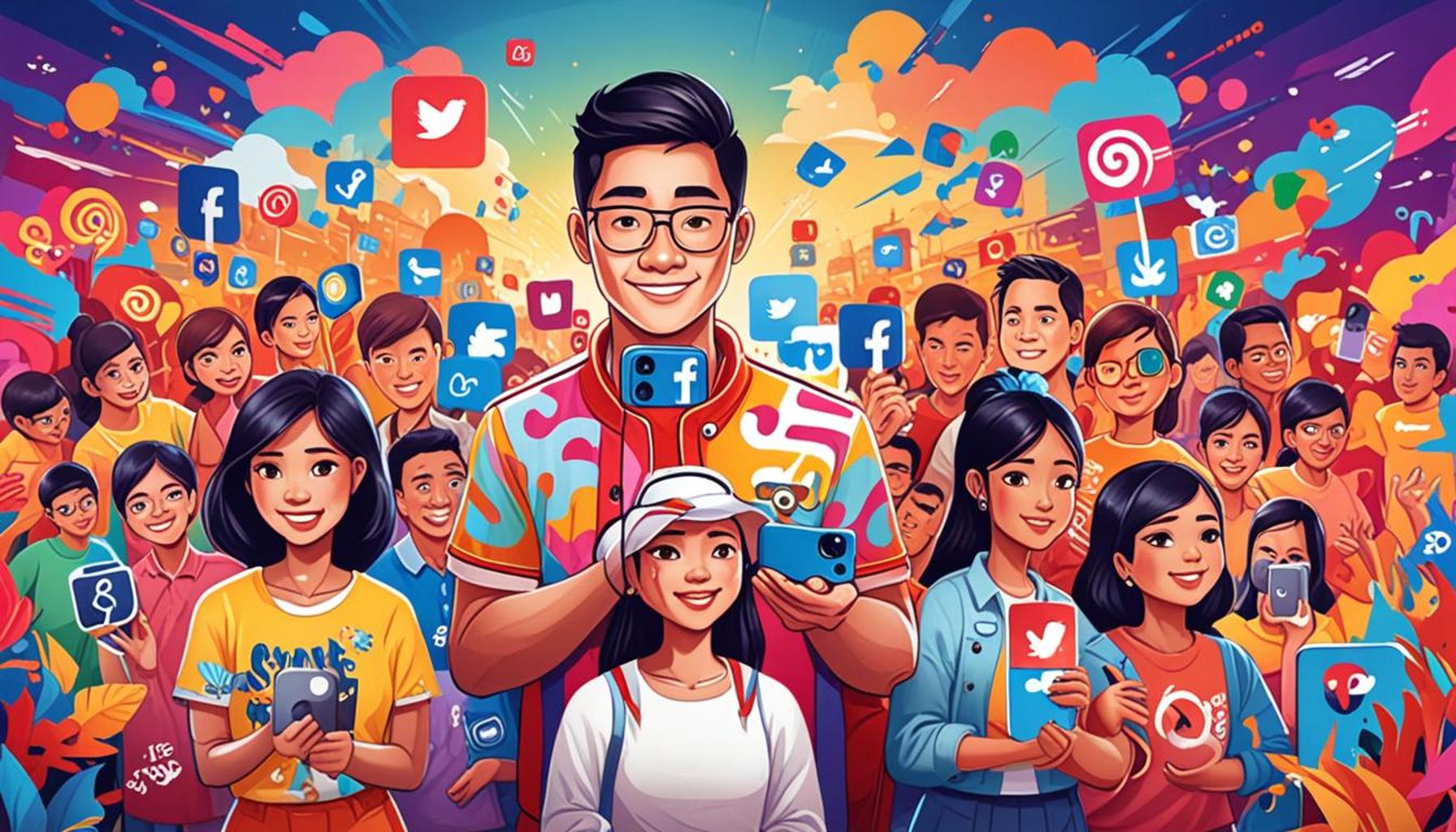
The advent of social media has redefined how people connect, share, and communicate, particularly in a country as culturally rich and diverse as the Philippines. The rise of platforms such as Facebook, Instagram, and TikTok has ushered in an era where visual storytelling is not merely a trend but an essential tool for self-expression and engagement. This shift towards more visual content is not accidental; it resonates deeply with Filipinos, known for their creativity, strong community ties, and expressive nature.
Key Features of Visual Content Evolution
At the heart of this transformation are several key features that have emerged and become integral to online communication. One of these is dynamic graphics. Infographics and animated clips have gained popularity as they distill complex information into visually appealing formats that are easy to digest. For instance, local organizations often share infographics about environmental issues, bringing awareness to pressing matters such as climate change and ocean pollution in a way that connects with the audience emotionally and intellectually.
Another significant feature is short-form videos that capture attention quickly and spark conversation. Platforms like TikTok have provided an avenue for countless Filipinos to express their creativity, whether through dance challenges, cooking tutorials, or comedy skits. These videos not only entertain but often incorporate cultural elements, fostering a sense of belonging among viewers who can relate to the content. The viral success of certain TikTok challenges often reflects broader cultural themes, allowing local flavors to reach a global audience.
Furthermore, live streaming has revolutionized the way Filipinos interact online. During the pandemic, many turned to live streams for everything from online concerts to community forums, creating an invaluable sense of connection during times of isolation. These real-time interactions help strengthen community bonds and engage audiences more personally, allowing for conversations that feel immediate and genuine.
Impact on Audience Engagement
The significant changes in visual content have transformed users from passive observers into active participants. In the Philippines, Filipinos engage in discussions, share their own experiences, and even create content that echoes their realities. Local businesses are leveraging this engagement by utilizing visual storytelling to enhance brand awareness. A neighborhood sari-sari store might post visually appealing photos of their homemade delicacies or showcase customer testimonials through vibrant graphics, which attract more foot traffic and foster loyalty.
Moreover, grassroots movements have found a powerful ally in visual storytelling. Social media campaigns have successfully sparked important conversations around social justice, environmental awareness, and mental health. The impact of these movements is amplified visually, as compelling images and videos convey emotions and messages that resonate deeply with Filipinos. They not only inform but also inspire action and solidarity, showing how visual content can be a catalyst for change.
As we delve deeper into this exploration, we can see that the influence of visual content in the Philippines is far-reaching. It fosters a unique cultural connectivity, enriches personal storytelling, and empowers both individuals and communities. The vibrant evolution of visual content has become not just a medium for expression but a significant aspect of the Philippine social fabric.
CHECK OUT: Click here to explore more
Visual Content as a Catalyst for Connection
The transformation of visual content in social media can be likened to a vivid tapestry, intricately woven with threads of creativity and cultural nuances. As platforms evolve, so do the methods of engagement, particularly for the Filipino audience that thrives on connection and expression. A glance at how visual content has morphed over the years reveals the dynamic nature of this evolution and its profound impact on society.
Engagement Through Representation
For many Filipinos, representing their culture and experiences visually is not simply an act of sharing; it’s a celebration of identity. Eye-catching graphics and relatable memes have captured the essence of daily life, often infused with humor and relatable situations. Platforms like Facebook and Instagram have seen a surge in user-generated content that depicts the Filipino way of life, whether it’s showcasing breathtaking landscapes, traditional festivals, or the everyday hustle of city life. The hashtags #PinoyPride or #SamaSama often accompany such posts, reflecting a collective camaraderie that resonates deeply among users.
In a country rich with cultural diversity, the representation of various Filipino cultures is essential for fostering understanding and appreciation. Visual content has enabled local artists, musicians, and influencers to share their craftsmanship with a wider audience, thereby enriching the digital conversation. The rise of regional language content, such as Kapampangan and Ilocano memes, showcases the beauty of regional dialects, bridging communities that have historically been separated by geographical boundaries.
The Role of Inspiring Narratives
Visual storytelling in Filipino social media is not just limited to humor or cultural representation; it also embodies inspiring narratives that challenge societal norms and raise awareness about critical issues. Increasingly, visual content serves as a vehicle for powerful messages surrounding social change, mental health awareness, and environmental stewardship. Social media influencers like Alex Gonzaga and Donny Pangilinan often use their platforms to discuss these topics, embedding them within vibrant graphics or compelling videos that resonate emotionally with their audience.
Moreover, challenges such as the pandemic have highlighted the importance of visual content in spreading vital information swiftly. During the height of COVID-19, informative visual posts about health protocols and vaccine rollouts became crucial. Filipino creatives developed eye-catching infographics that simplified complex guidelines, ensuring that important messages reached even the most remote communities. The unique ability of visuals to convey information clearly ignited dialogues and kept citizens informed during uncertain times.
Addressing Trends and Fads
Understanding the fluid nature of visual content also entails recognizing trends and fads that capture the Filipino audience’s attention. From the viral “#TalaChallenge” that swept across TikTok to the flourishing world of *K-drama* fan art, these phenomena serve as a testament to the agile creativity of Filipino netizens. Such fads not only bolster community engagement but also create opportunities for brands and creators to tap into the collective enthusiasm, ultimately allowing businesses to connect with their target audiences in genuine and memorable ways.
As we move forward, it’s clear that visual content will continue to evolve, shaping the landscape of social media in the Philippines. The interconnectedness fostered through visuals signifies a shared sense of belonging, making it an indispensable element of the Filipino digital experience. In each post, video, or graphic lies a story waiting to be told, connecting individuals and communities across the archipelago in an ever-evolving narrative.
SEE ALSO: Click here to read another article
Visuals as Tools for Empowerment and Advocacy
In recent years, the Filipino social media landscape has witnessed a remarkable shift where visual content not only serves to entertain but also empowers and advocates for social change. This evolution highlights a burgeoning consciousness among users, as they harness the power of visuals to articulate urgent narratives and mobilize collective action. Filmmakers, photographers, and graphic designers increasingly use their skills to document pressing social issues, transforming platforms like Instagram and TikTok into powerful vehicles for advocacy.
Amplifying Voices of Marginalized Communities
One significant development in the visual content sphere is the way it amplifies voices from marginalized communities. For instance, the #BlackLivesMatter movement resonated deeply with Filipino social media users, leading to the creation of powerful visual posts that drew parallels with local issues such as human rights violations. Creators from various sectors utilized compelling graphics, illustrations, and photographs to bring awareness to socio-political issues in the Philippines, from extrajudicial killings to the plight of indigenous peoples. By voicing these narratives through visuals, they cultivated empathy and sparked conversations among their followers, urging them to take action.
Moreover, campaigns supported by eye-catching visuals like “#FightForHumanRights” and “#SaveOurSchools” have mobilized thousands to support local initiatives and lend a hand to communities in need. The accessibility of tools such as Canva and Adobe Spark has democratized graphic design, allowing anyone with a message to create impactful visual stories that resonate with their audiences. Such creative endeavors showcase how visual content has transcended mere aesthetics, becoming an essential tool for raising awareness and fostering community mobilization.
The Rise of DIY Aesthetics
A notable trend impacting Filipino visual content is the rise of DIY aesthetics, where authenticity and relatability take precedence over polished perfection. Users are increasingly drawn to the charm of raw visuals and candid moments that tell genuine stories. For instance, the unexpected virality of short TikTok videos featuring everyday life—be it cooking, parenting, or local challenges—reflects a hunger for connection grounded in authenticity.
Platforms like Instagram have also embraced this wave of authenticity through the popularity of story highlights featuring unfiltered images and behind-the-scenes snippets that relate to personal stories. This trend has given rise to influencers who share their unvarnished experiences, showcasing everything from mental health challenges to personal triumphs. In this landscape, the power of visual content shifts from being a mere showcase of beauty and aspirational lifestyles to a medium for vulnerability and honest expression.
Bridging Generational Gaps
As various generations engage with social media, visual content also plays a pivotal role in bridging generational gaps across the Philippine Archipelago. Platforms like Facebook and TikTok have cultivated a diverse audience, including the youth keen on trends and older generations reminiscing about simpler times. This fusion of user interests often manifests through shared visuals, creating a sense of nostalgia for past memories or cultural references that resonate with diverse age groups.
The intergenerational sharing of memes, quotes, and visual art resonates beyond typical boundaries. For example, Filipino Juan de la Cruz’s memes about life and responsibility transcend age groups, igniting laughter and reflection across the board. In this sense, visual content has not only facilitated engagement but also nurtured a shared cultural tapestry woven by perspectives spanning multiple generations. The significance of visuals lies not just in their aesthetic quality, but in their capacity to foster discussions, bridge divides, and cultivate community across a broad spectrum of audiences.
CHECK OUT: Click here to explore more
Conclusion
The evolution of visual content in social media has undeniably transformed the landscape of engagement among Filipino audiences. As we have explored, visuals serve not merely as a means of entertainment but have become powerful catalysts for advocacy, empathy, and authentic expression. The rise of DIY aesthetics reflects a collective shift towards valuing real-life narratives over polished perfection, fostering connections rooted in authenticity. This is essential in a culture that deeply cherishes interpersonal relationships and shared experiences.
Moreover, the ability of visuals to amplify the voices of marginalized communities has empowered a generation to confront pressing societal issues head-on. Movements like “#FightForHumanRights” and campaigns addressing crucial educational concerns showcase how Filipinos are leveraging visuals to not only spread awareness but also ignite social action. In this context, it becomes clear that visual content is not just about image and design; it is vital for nurturing community and dialogue.
As the Filipino social media landscape continues to evolve, it is crucial for individuals and organizations alike to recognize the potential of visual storytelling. By embracing the nuanced power of visuals to engage across generational divides, we are reminded that a simple image or video can resonate deeply and spark meaningful conversations. In this constantly changing digital age, the most profound engagement will arise from our courage to tell authentic stories through visuals that reflect our shared Filipino identity, struggles, and triumphs.

Linda Carter
Linda Carter is a writer and marketing specialist who helps businesses and entrepreneurs build strong brands and effective growth strategies. With extensive experience guiding companies to increase their market visibility and make data-driven decisions, she shares practical marketing insights on our platform. Her goal is to empower readers with actionable advice and proven techniques to achieve sustainable business growth and marketing success.