
Innovation in Logistics: How Shein is Transforming its Supply Chain with Advanced Technology
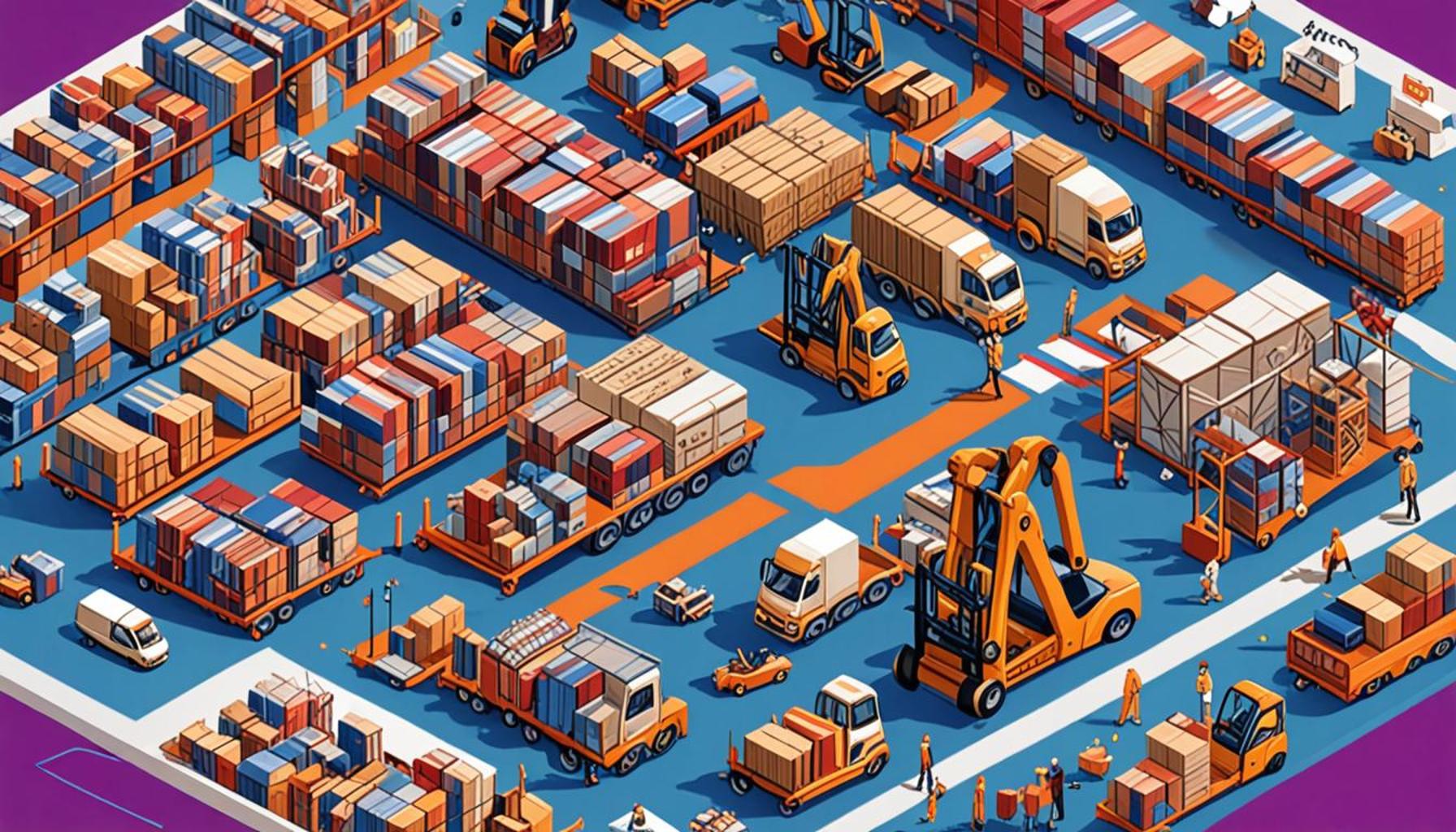
Revolutionizing Logistics in the Digital Era
In the competitive arena of e-commerce, companies must continually adapt to meet the ever-increasing demands of consumers. One brand that has emerged as a frontrunner in this regard is Shein, known for its fast fashion model and rapid product turnover. Its innovation in logistics is not just about speed; it’s about redefining the entire supply chain framework to create a more efficient, consumer-centric approach. By integrating advanced technologies, Shein is not merely changing how it delivers products but is also setting trends that could influence the entire retail industry.
Leveraging Data Analytics
Shein harnesses the power of big data to anticipate fashion trends and optimize its inventory management. This involves analyzing consumer behavior, purchase patterns, and social media trends. For instance, by evaluating which items gain traction on platforms like Instagram or TikTok, Shein can decide which products to manufacture in bulk. This proactive stance minimizes unsold inventory, reducing waste and ensuring that stock aligns with what consumers are actively seeking. Additionally, accurate data analytics allow Shein to refine its promotional strategies, ensuring customers receive offers that resonate with their interests.
Artificial Intelligence for Precision Forecasting
The integration of Artificial Intelligence has revolutionized Shein’s demand forecasting capabilities. Through machine learning algorithms, the company can analyze vast amounts of data to predict upcoming trends and consumer demands. For example, by evaluating seasonal changes and past sales data, AI helps Shein anticipate which styles will be in high demand, ensuring that production aligns perfectly with market needs. This not only enhances consumer satisfaction but also improves overall supply chain efficiency, making it a model for other retailers aiming to harness technology effectively.
Embracing Automation
Automation is a critical element in Shein’s logistics strategy. By enhancing warehousing and distribution operations through automated systems, the company achieves unprecedented speed in order fulfillment. Automated sorting systems, for instance, can quickly organize products, reducing the time taken to process orders significantly. This technological investment allows Shein to maintain a rapid turnover of products, offering consumers new styles almost daily, a feat that was once thought unattainable in the world of fashion.
The implications of Shein’s technological integrations extend far beyond its own operations. As these methods demonstrate success, they challenge other companies in the fashion industry to reconsider their logistics strategies. Transitioning away from conventional processes toward a data-driven approach could be the key to survival and success in this increasingly competitive marketplace. By exploring Shein’s methodologies, other businesses gain valuable insights into the potential of technology to transform traditional supply chains, promoting responsiveness and resilience in the ever-evolving landscape of e-commerce.
DIVE DEEPER: Click here to discover more
Dynamic Supply Chain Management
At the heart of Shein’s logistics revolution is a dynamic approach to supply chain management that leverages technology at every stage. With a model that prioritizes agility and responsiveness, Shein has adopted various advanced technological solutions, drastically reshaping how it approaches everything from production to delivery.
On-Demand Production Capabilities
One of the key ways Shein is transforming its supply chain is through on-demand production capabilities. Traditional fashion retailers often operate on a seasonal basis, producing large quantities of items far in advance. In contrast, Shein has embraced a model that allows for smaller batches of products to be produced only after they’ve been tested in the market. This model helps the company react to real-time data and consumer preferences, substantially reducing excess inventory and minimizing wasted resources.
Integrated Supply Chain Visibility
Shein also prioritizes integrated supply chain visibility by using advanced tracking systems to monitor the movement of goods at every stage of the process. By employing a network of interconnected platforms and tools, the company can provide real-time updates on shipping and delivery timelines, significantly improving customer communication. With features such as order tracking and shipment notifications, customers enjoy a seamless shopping experience that enhances brand trust and loyalty.
Collaborative Partnerships
Another significant aspect of Shein’s logistics innovation is its approach to collaborative partnerships. The company strategically collaborates with technology providers, shipping companies, and logistics firms to create a more cohesive supply chain ecosystem. By leveraging these partnerships, Shein enhances its operational capabilities and scaling potential. For instance, working with local shipping providers enables Shein to optimize last-mile delivery services, resulting in faster order fulfillment that appeals to the modern consumer who expects rapid and reliable service.
Data-Driven Logistics Decisions
Utilizing data-driven logistics decisions is essential for Shein’s continuous improvement. The company collects data not only from customer purchases but also from logistics operations. Insights gained from analyzing this data can lead to enhanced route planning, cost-effective shipping methods, and improved resource allocation. By continuously assessing the logistics journey, Shein can identify potential bottlenecks and streamline operations, which translates into quicker delivery times and satisfied customers.
- On-Demand Production: Small batch production tailored to consumer demand.
- Integrated Visibility: Real-time tracking of orders throughout the shipping process.
- Collaborative Partnerships: Strategic alliances that improve operational efficiency.
- Data-Driven Decisions: Continuous analysis for optimizing logistics strategies.
By reshaping its supply chain through innovation and technology, Shein is not just surviving in the fast-paced world of e-commerce; it is thriving and setting benchmarks for others in the industry. As more businesses look to adapt to the current climate, examining Shein’s forward-thinking logistics approach could provide valuable lessons for enhancing their own supply chain practices.
Enhancing Efficiency Through Data Analytics
In the rapidly evolving landscape of retail logistics, Shein employs advanced data analytics to optimize its supply chain management. By leveraging big data, Shein can accurately anticipate customer demands, enabling the company to adjust its inventory levels dynamically. This strategy minimizes overstock situations while ensuring that popular items are readily available. Utilizing predictive analysis, Shein enhances its responsiveness to market trends and customer preferences, making real-time adjustments that align with consumer behavior.
Automated Warehousing Solutions
Another critical innovation in Shein’s logistics framework is the implementation of automated warehousing systems. These cutting-edge technologies streamline the picking, packing, and shipping processes, reducing human error and energy expenditure. Automated robots are integrated into the warehouse operations, which drastically reduces order fulfillment times and allows for faster delivery to customers. As a result, Shein not only improves customer experience but also gains a competitive edge in the market.
Last-Mile Delivery Innovations
Strong emphasis on the last-mile delivery phase has also been a game changer. Shein collaborates with various local logistics providers, employing software systems that enhance route optimization. This not only reduces delivery times but also cuts costs significantly, making it a win-win scenario for Shein and its customers. Moreover, the integration of real-time tracking technology allows customers to monitor the progress of their orders, further enhancing user satisfaction.
| Technology Integration | Impact on Supply Chain |
|---|---|
| Data Analytics | Allows for real-time inventory management and demand forecasting. |
| Automated Warehousing | Increases efficiency and reduces operational costs. |
| Last-Mile Innovation | Enhances delivery speed and customer satisfaction. |
Overall, by embracing innovation in logistics, Shein continues to set new standards in the retail industry, demonstrating how advanced technology can revolutionize supply chain management.
DISCOVER MORE: Click here to dive deeper
Artificial Intelligence and Machine Learning
In addition to strengthening its supply chain through operational strategies, Shein is also harnessing the power of artificial intelligence (AI) and machine learning (ML) to optimize logistics processes. By analyzing vast amounts of data, Shein can predict trends, streamline inventory management, and improve demand forecasting. Advanced algorithms assess historical sales patterns, seasonal variations, and even social media trends, allowing the company to stay ahead of consumer preferences.
Predictive Analytics for Inventory Management
One of the most compelling benefits of AI and ML in Shein’s logistics framework is the deployment of predictive analytics for inventory management. By analyzing customer data, Shein can determine which products are likely to be in demand at any given time. This predictive approach enables the company to minimize overproduction and markdowns, aligning stock levels more closely with consumer purchasing habits. Storing the right amount of each product reduces storage costs and ensures that customers can find what they’re looking for when they need it.
Automated Warehousing Solutions
Another crucial technology employed by Shein is automated warehousing solutions. Robotics and automation facilitate high-speed sorting and packing processes, drastically enhancing operational efficiency. With automated systems, Shein can process thousands of orders within a shortened timeframe. This level of automation allows the company to reduce human error, improve safety, and increase throughput, ensuring that customers receive their purchases promptly.
Enhanced Customer Experience through Personalization
Moreover, Shein uses AI to provide a more personalized shopping experience for its customers. By examining browsing histories and customer interactions, Shein can tailor product recommendations, promotional offers, and content to individual users. This personalization not only increases the likelihood of conversion but also fosters a deeper connection between customers and the brand. Enhanced personalization can contribute to help Shein stand out in an increasingly crowded marketplace.
Sustainability Initiatives
As the world becomes more focused on sustainability, Shein is also addressing the challenge of green logistics. By utilizing innovative technologies, the company aims to minimize its environmental impact. For instance, using data analytics for route optimization helps cut down on fuel consumption and emissions during transportation. Furthermore, Shein takes a proactive approach to packaging by using eco-friendly materials and efficient designs that reduce waste.
- AI and Machine Learning: Leveraging data for predictive insights and trend analysis.
- Predictive Analytics: Advanced inventory management to match stock with consumer demand.
- Automated Warehousing: Employing robotics for optimized order processing.
- Personalization: Tailoring shopping experiences based on individual customer data.
- Sustainability: Implementing eco-friendly practices within the logistics framework.
Through its commitment to embracing cutting-edge technology, Shein is redefining the standards of operational excellence in the logistics sector. The company’s strategic integration of AI, machine learning, automation, and sustainability initiatives not only enhances efficiency but also shapes a more sustainable and consumer-centric logistics model, pushing the envelope in the dynamic world of e-commerce.
DISCOVER MORE: Click here to learn about data analysis’s impact
Conclusion
In a rapidly evolving e-commerce landscape, Shein is setting a remarkable benchmark for innovation in logistics. By strategically integrating advanced technologies such as artificial intelligence, machine learning, and automated warehousing, the company is not only enhancing its supply chain efficiency but also creating a more personalized and sustainable shopping experience for its customers. The deployment of predictive analytics for inventory management exemplifies how data-driven insights can lead to improved alignment of stock with consumer demand, thereby reducing waste and maximizing profitability.
Moreover, Shein’s commitment to sustainability through green logistics solutions highlights a conscientious approach towards environmental responsibility in an industry often scrutinized for its ecological footprint. By actively working to minimize emissions and waste, Shein demonstrates that efficiency and sustainability can coexist, paving the way for other retailers to follow suit.
As the company continues to leverage cutting-edge technologies, it is clear that Shein is not just adapting to current market demands but is shaping future consumer expectations. This innovative outlook positions Shein as a leader in logistics transformation, encouraging other businesses to explore advanced technological adoption for operational excellence. The logistics space will undoubtedly continue to evolve, and what Shein is accomplishing serves as an intriguing case study for others looking to innovate their supply chains.
Overall, the transformation of Shein’s logistics framework represents a significant shift towards a more data-driven, efficient, and consumer-focused model, underscoring the vital role of technology in the future of global supply chains.

Linda Carter
Linda Carter is a writer and expert known for producing clear, engaging, and easy-to-understand content. With solid experience guiding people in achieving their goals, she shares valuable insights and practical guidance. Her mission is to support readers in making informed choices and achieving significant progress.