
The Role of Artificial Intelligence in Shein’s Market Disruption: How Innovative Technologies Are Transforming Fashion
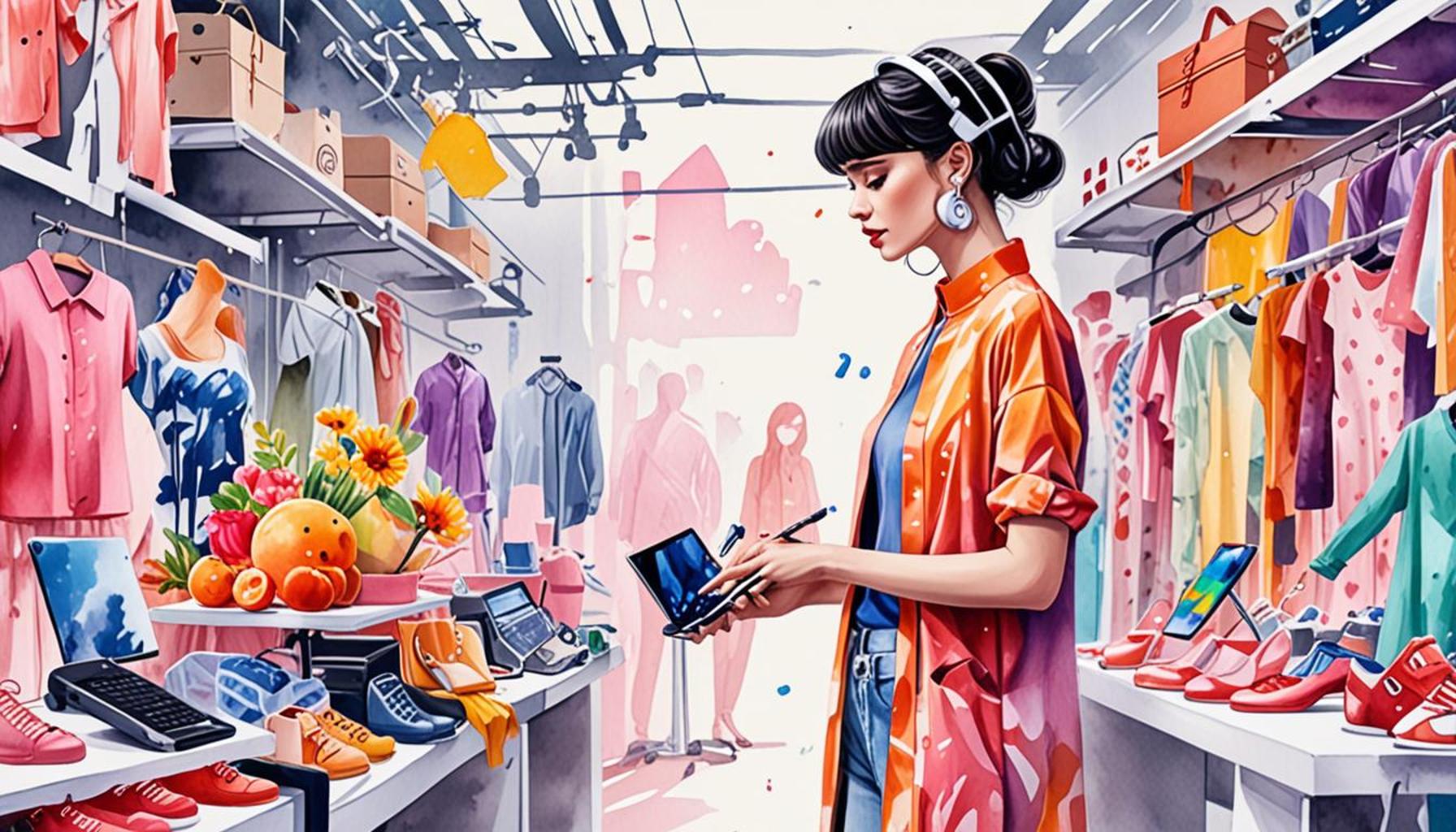
Transformative Impact of AI on the Fashion Industry
The integration of artificial intelligence (AI) in the fashion industry signifies not just a technological advancement, but a comprehensive transformation of how brands interact with consumers and manage their operations. As companies strive to differentiate themselves in a crowded marketplace, AI emerges as a vital tool that enables them to create more personalized, efficient, and responsive business models.
Shein, a rapidly growing online fashion retailer, serves as a prime example of how AI can disrupt traditional fashion paradigms. The brand is reshaping the landscape through several innovative strategies that highlight the critical role of data and automation in enhancing the customer experience.
Data-Driven Design
One of the most impactful applications of AI in fashion is data-driven design. Shein utilizes complex algorithms to analyze consumer data from various sources, including social media trends, search queries, and purchasing patterns. For instance, AI can identify emerging styles and suggest new clothing designs that are likely to resonate with target demographics. This approach allows Shein to reduce the time between concept and retail while ensuring that its offerings are aligned with current consumer preferences. The result is rapid trend cycles that cater to a younger audience eager for the latest fashion items.
Automated Supply Chains
The logistics of fashion retail have also undergone a significant overhaul thanks to AI. Shein employs automated supply chain management techniques that optimize inventory levels, streamline shipping processes, and enhance overall efficiency. By forecasting demand with greater accuracy, the brand can swiftly adapt its supply chain to respond to fluctuations in consumer interest. For example, if a particular style goes viral, Shein’s AI systems can quickly adjust production schedules and inventory levels to meet that demand, minimizing the risk of stock shortages and maximizing sales potential.
Enhanced Customer Experience
Another exciting aspect of AI’s role in fashion is the enhanced customer experience it provides. Virtual fitting rooms powered by AI allow customers to try on clothes virtually before making a purchase, reducing the likelihood of returns—a significant issue in online retail. Furthermore, tailored product recommendations based on individual browsing history create a more personalized shopping journey. The ease of finding items that suit personal tastes encourages consumers to engage with the brand more frequently and fosters a sense of loyalty.
The convergence of AI with fashion not only streamlines operational processes but also leads to a more engaging shopping experience for consumers. As brands like Shein continue to embrace these technologies, the broader implications for the fashion sector are substantial. This shift could lead to greater sustainability, as AI helps minimize waste through more precise forecasting and on-demand production, creating a model that benefits both the environment and the consumer.
As the influence of AI expands within the fashion industry, it is poised to establish new standards for how businesses operate and how consumers interact with brands. By exploring these advancements, one can gain valuable insights into the future of fashion—a future defined by innovation, efficiency, and a deep understanding of consumer needs.
LEARN MORE: Click here to discover how data shapes customer loyalty
Data-Driven Design and Market Adaptability
The fashion industry has always been a reflection of societal shifts and cultural trends, but the speed at which these changes occur has accelerated dramatically in recent years. In this climate, data-driven design emerges as a cornerstone of Shein’s business strategy, enabling the brand to stay ahead of the curve. Shein’s proprietary algorithms analyze a wealth of information—ranging from trending hashtags on social media to real-time sales data—offering insights that help shape product lines and collections that resonate with consumers.
By leveraging artificial intelligence, Shein can effectively identify which styles are gaining traction, creating a feedback loop that informs their design processes. This method is not only innovative but also incredibly efficient, as it allows Shein to introduce new products to the market within a matter of weeks. The company’s ability to maintain a nimble and responsive design process offers it a critical edge over its competitors who may be encumbered by traditional seasonal cycles.
The Speed of Production
With a significant aspect of Shein’s market disruption being its speed of production, the brand illustrates how quickly it can pivot in response to emerging trends. Shein has crafted a unique model that supports rapid prototyping and production, often dubbed “fast fashion 2.0.” This model incorporates insights garnered from AI-analyzed consumer behavior, allowing Shein to produce limited runs of clothing that can catapult to popularity almost overnight. The ability to create and test new items in such a condensed timeframe places the brand at the forefront of the fashion industry. This approach highlights the connection between data analytics and the rapid pace of modern consumer lifestyles.
Meeting Consumer Demands
At the heart of this data-driven approach lies a profound understanding of consumer demands. By closely monitoring real-time interactions and preferences, Shein can anticipate what shoppers are looking for, even before those consumers themselves realize it. This has led to a series of strategic benefits that resonate across various facets of the business, including:
- Increased customer engagement: By offering styles that are not only current but also personalized based on consumer data, Shein enjoys heightened interactions and stronger brand loyalty.
- Reduced inventory waste: With a focused approach to production tied to demand, the company minimizes surplus inventory, addressing a persistent issue in the fashion industry.
- Enhanced market reach: AI allows Shein to experiment with diverse styles and markets rapidly, expanding its presence in various geographic regions without significant risk.
Through these strategies, Shein is not merely adapting to the fashion landscape; it is actively shaping it. The brand’s ability to incorporate advanced technologies—chiefly artificial intelligence—into its operations is setting a new benchmark for how fashion retail can function. As traditional brands scramble to keep pace with the rapid evolution of consumer preferences, Shein’s innovative practices illuminate a path forward that blends technology with trendsetting, creating opportunities for disruption in an industry long tethered to conventional timelines and practices.
As we delve deeper into the mechanics of digital retail transformation, it is palpable that companies like Shein have harnessed the power of artificial intelligence (AI) not just to adapt, but to redefine fashion market dynamics. One significant aspect of this is the use of AI-driven data analytics to understand customer preferences in real time. These tools analyze browsing patterns, purchase histories, and social media trends to tailor recommendations, making the shopping experience personalized and highly engaging.
Moreover, AI facilitates rapid inventory management—allowing Shein to track stock levels accurately and predict future demand. This predictive analytics capability enables the brand to optimize their supply chain, reducing excess inventory and ultimately leading to cost savings that can be passed on to consumers, enhancing the price competitiveness of their offerings.
Additionally, AI streamlines the design process through automated algorithms that generate new clothing styles based on emerging trends. By leveraging machine learning, Shein can swiftly turn around design ideas and meet market demand with speed that traditional retailers cannot match. This results in minimizing the time-to-market for new collections, thus fostering a continuously refreshing catalog that keeps customers returning.
Another important factor is Shein’s use of AI to enhance customer service. Chatbots and virtual assistants powered by machine learning algorithms are available 24/7 to assist customers with queries, ensuring immediate engagement and satisfaction. This level of service is essential for maintaining consumer loyalty in a highly competitive landscape.
| Category | Benefits |
|---|---|
| Customer Personalization | Enhanced shopping experiences driven by tailored recommendations. |
| Predictive Supply Chain Management | Reduces excess inventory and lowers costs, leading to better pricing for consumers. |
| Rapid Design Processes | Automation allows quick adaptation to fashion trends and consumer demands. |
| 24/7 Customer Support | Chatbots ensure immediate engagement, enhancing customer satisfaction and loyalty. |
In conclusion, the multitude of applications of AI in Shein’s operational model not only emphasizes the brand’s innovative spirit but also positions it as a formidable player in the changing landscape of fashion retail. As technology continues to evolve, it’ll be intriguing to observe how these advancements shape consumer behaviors and reshuffle the competitive dynamics in the industry.
DISCOVER MORE: Click here to learn how data analytics transforms supply chains</a
Customized Shopping Experiences
As competition intensifies within the retail landscape, delivering a customized shopping experience has become paramount. Shein harnesses the power of artificial intelligence not only to craft designs but also to revolutionize how customers interact with their products. Through machine learning algorithms, the brand tailors its website and mobile interfaces to individual consumer preferences, making every browsing session uniquely engaging.
Shein’s AI technologies enable a dynamic recommendation system that analyzes prior purchases and browsing behaviors to suggest items that align with each shopper’s style. This degree of personalization fosters a deeper connection between the brand and its customers, as shoppers are more likely to discover products that resonate with their personal tastes. Moreover, by making shopping intuitive, Shein enhances the overall customer journey, resulting in higher conversion rates and reduced bounce rates on its platforms.
Virtual Fitting Rooms and Augmented Reality
Adding another layer to the shopping experience, Shein has begun to explore the realms of virtual fitting rooms and augmented reality (AR). These innovative technologies allow customers to visualize how clothing items would look when worn, bridging the gap between online shopping and physical trial. Utilizing AR technology, users can upload or take pictures of themselves and see how garments fit their unique body shapes and sizes.
This immersive shopping experience not only reduces the likelihood of returns—which often plague online retailers—but also instills confidence in online purchases. According to a study by AR Insider, virtual dressing rooms can decrease return rates by up to 30%, thereby providing a sustainable solution to one of fashion retail’s significant challenges. As customers increasingly prioritize convenience and engagement, integrating such technologies will likely determine the next wave of market leaders.
Supply Chain Optimization through AI
Beyond the sales platform, Shein’s implementation of artificial intelligence extends to supply chain optimization. By utilizing advanced analytics for inventory management, the company can better forecast demand and streamline its logistics. AI algorithms analyze historical sales data, seasonal trends, and regional demands, allowing Shein to maintain an agile supply chain that adapts to fluctuations in consumer behavior.
This predictive capability is crucial for minimizing holding costs and ensuring that popular items are readily available while reducing the risk of overproduction. Not only does this approach foster efficiency, it also aligns with the increasing consumer demand for sustainability in fashion. Reducing waste while delivering sought-after products enhances the brand’s appeal in a socially conscious marketplace.
The Global Role of Influencer Marketing
Furthermore, Shein’s use of AI extends into the realm of influencer marketing, which is an essential element in reaching today’s fashion consumers. The brand’s algorithms identify rising influencers whose follower demographics align with their target market, maximizing the impact of promotional campaigns. By analyzing social media trends and engagement metrics, Shein partners with influencers who can showcase its offerings authentically, engaging their followers effectively.
For instance, when influencers showcase Shein collections in relatable and aspirational ways, they generate organic buzz that traditional advertising methods often fail to achieve. This strategy allows the brand to amplify its message and reach various audience segments without extensive marketing expenditures typical for more traditional retailers.
As Shein continues to push the envelope of how fashion is marketed and consumed, it’s clear that the seamless integration of artificial intelligence within every facet of its operations is not merely a trend but a foundational shift poised to redefine the industry’s future.
DIVE DEEPER: Click here to learn more
Conclusion
In the rapidly evolving landscape of fashion retail, Shein’s adoption of artificial intelligence exemplifies how innovative technologies are reshaping the industry. From creating highly personalized shopping experiences to integrating augmented reality and optimizing supply chains, Shein has positioned itself as a frontrunner in the market disruption narrative. This convergence of technology and fashion not only highlights the brand’s agility in responding to shifts in consumer behavior but also underscores a broader trend within the industry that increasingly prioritizes customer engagement and sustainability.
The effective utilization of AI-driven insights allows Shein to forecast demand accurately, reducing waste and aligning its offerings with the preferences of a socially conscious consumer base. Furthermore, as influencer marketing becomes more essential, Shein’s ability to leverage data to partner with the right voices amplifies its reach while maintaining authenticity, a crucial factor in today’s digital marketplace.
This integration of advanced technologies within every aspect of Shein’s operations is not just a fleeting trend but represents a pivotal shift in how fashion is produced, marketed, and consumed. As competitors scramble to keep pace, the significance of AI in driving innovation and efficiency will continue to be at the forefront. For both consumers and industry players alike, the implications of Shein’s innovative strategies prompt a critical examination of the future of fashion—where technology and personalization go hand in hand, creating an ever more dynamic and interconnected shopping experience. The evolution of retail is upon us, and understanding these changes through the lens of artificial intelligence will be essential for anyone looking to navigate the future of fashion.

Linda Carter
Linda Carter is a writer and expert known for producing clear, engaging, and easy-to-understand content. With solid experience guiding people in achieving their goals, she shares valuable insights and practical guidance. Her mission is to support readers in making informed choices and achieving significant progress.