
Logistics and Distribution Strategies of Shein in the Face of Fashion Market Disruption
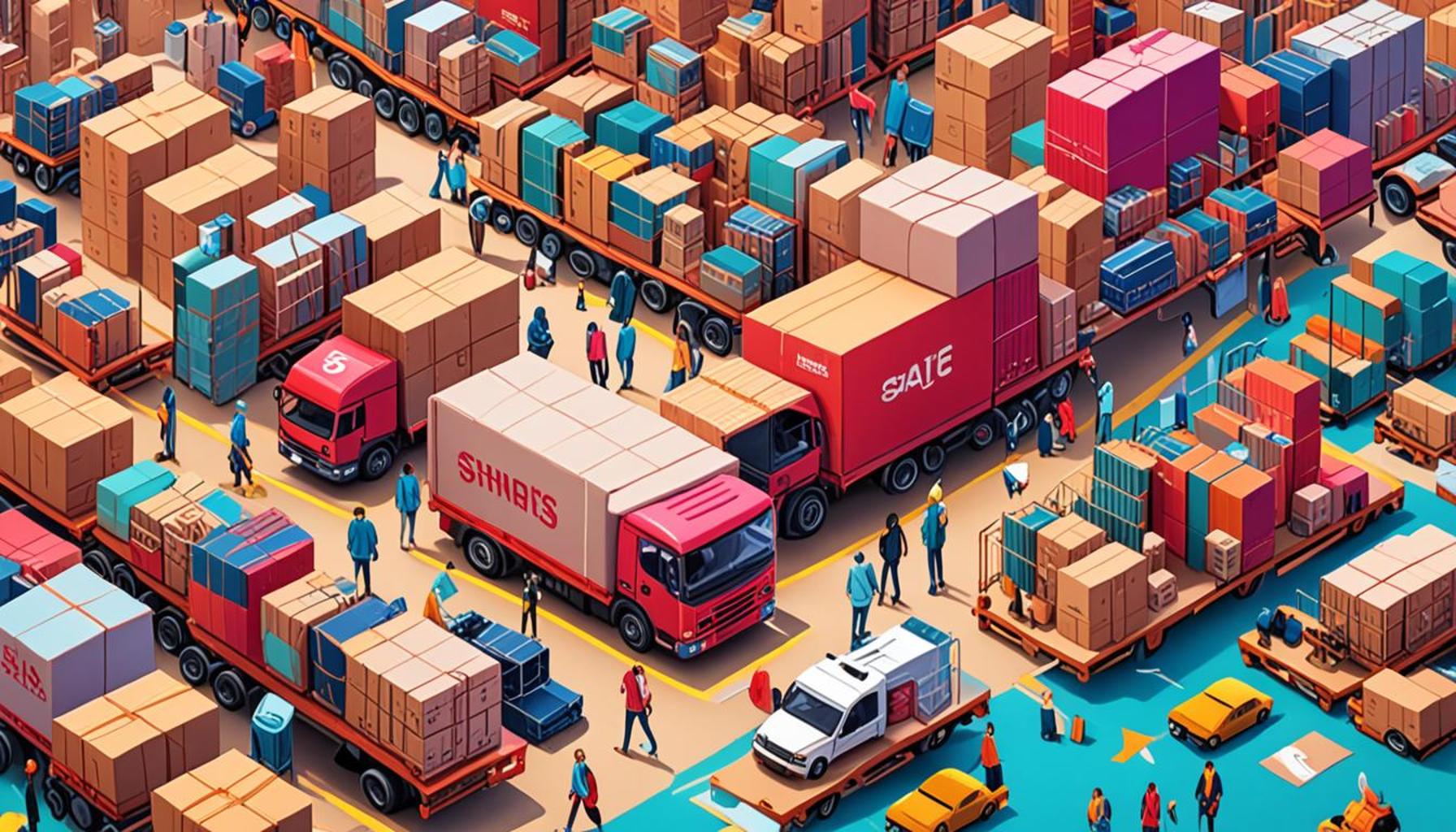
Understanding Shein’s Resilience in Fashion Logistics
In the dynamic realm of fashion retail, the ability to adapt and innovate is crucial for success. One brand that has remarkably risen to prominence in recent years is Shein, an online retail giant that has redefined logistics and distribution frameworks in the industry. By implementing groundbreaking strategies, Shein not only meets current consumer demands but also elevates the shopping experience itself, resulting in a unique and compelling retail environment.
Key Elements of Shein’s Distribution Strategy
- Speed: At the heart of Shein’s operations is its commitment to speed, embodying the fast fashion model that has become synonymous with the brand. This ensures rapid turnaround times, which are crucial for capitalizing on emerging trends. For example, Shein can move a product from design to sale within just a couple of weeks, allowing the brand to consistently offer fresh collections that resonate with the latest fashion movements.
- Global Reach: Shein has effectively established warehouses across various regions, including North America, Europe, and Asia. This strategic positioning enables the brand to minimize shipping times and costs, leading to faster deliveries. Customers in the United States, for instance, can often receive their orders in just a few days, enhancing satisfaction and encouraging repeat purchases.
- Data-Driven Decisions: One of Shein’s most significant advantages lies in its sophisticated use of data. By harnessing advanced analytics, the company can monitor consumer behavior and preferences in real-time. This agile approach allows for immediate adjustments in their inventory and product offerings, ensuring that what customers desire is readily available and in stock.
- Diverse Supplier Network: Shein maintains relationships with a wide array of suppliers, which fosters flexibility and scalability within their supply chain. This diversity enables the brand to pivot quickly in response to market demands without being hampered by reliance on a singular source. This adaptability is particularly crucial during periods of supply chain disruptions, such as those experienced during global events like the COVID-19 pandemic.
Sogether, these factors empower Shein to not only keep pace with consumer trends but also to anticipate shifts in shopping behaviors. The recent fashion disruptions—marked by changing customer demands and significant supply chain challenges—highlight the need for brands to rethink their logistics operations thoroughly.
Shein’s ability to thrive amidst these challenges showcases a robust model that could provide insights for other retailers facing similar obstacles. In the following sections, we will explore further the intricacies of Shein’s logistics and distribution strategies. We will uncover the details of how this remarkable brand not only survives but also flourishes in a competitive and often tumultuous market, ultimately setting a benchmark for future success in the fashion industry.
DISCOVER MORE: Click here to dive deeper
Efficient Supply Chain Management: The Backbone of Shein’s Success
Logistics and distribution strategies play a pivotal role in Shein’s response to the ongoing disruptions faced by the fashion industry. As consumer behavior shifts rapidly and external challenges like supply chain interruptions become commonplace, Shein’s approach highlights a meticulous focus on efficiency and responsiveness. Staying attuned to real-time trends, the brand has carved out a niche that not only allows it to survive but to thrive amid turbulence.
Embracing Technology in Logistics
One of the critical components of Shein’s logistics success is its integration of cutting-edge technology. The brand employs a blend of artificial intelligence and machine learning algorithms to forecast demand accurately and optimize inventory levels. By analyzing vast amounts of data, Shein can predict which styles and sizes will be in high demand, proactively adjusting its manufacturing processes. This kind of forward-thinking strategy significantly minimizes the risk of overproduction and wastage, two critical issues that have plagued large fashion companies for years.
Furthermore, Shein’s use of technology extends to its fulfillment processes. Automated warehousing systems streamline operations, ensuring that products are picked, packed, and shipped with unprecedented speed. The efficiency of these systems reduces the time between order placement and delivery—a crucial metric in today’s fast-paced retail environment.
Localized Fulfillment Centers
Another distinctive feature of Shein’s logistics strategy is its network of localized fulfillment centers. By strategically placing warehouses in regions with high customer concentrations, Shein can significantly cut down on shipping times. For instance, customers in urban areas can often receive their orders within 24 to 72 hours. This capability is particularly vital in the United States, where e-commerce consumers expect quick deliveries; nearly two-thirds of online shoppers prioritize fast shipping when making purchasing decisions.
Dynamic Response to Market Trends
- Agility: In a market characterized by rapid fashion cycles, Shein’s ability to pivot on short notice is a game changer. The brand constantly refreshes its catalog—typically releasing thousands of new styles each week. This quick turnover enables them to stay aligned with current consumer preferences and capitalizes on fleeting trends.
- Sustainability Considerations: As the spotlight on sustainability in fashion intensifies, Shein is exploring eco-friendly options for its logistics. Initiatives such as reduced packaging, carbon-neutral shipping, and the use of sustainable materials in production are part of Shein’s broader commitment to evolving alongside consumer expectations.
- Customer Engagement: Shein actively engages with its customer base through social media feedback loops, allowing the brand to gather insights on purchasing habits and inventory preferences. This level of interaction not only aids in the rapid response to new trends but also fosters brand loyalty among its audience.
In sum, Shein’s logistics and distribution strategies are not merely reactive measures; they are a well-coordinated, dynamic approach designed to meet and exceed consumer expectations. As the fashion industry continues to navigate disruptions, Shein’s model serves as a robust blueprint for how technical innovation, strategic location, and proactive engagement can redefine the logistics landscape in retail. The convergence of these factors enhances their market resilience and establishes a formidable framework that other brands may well seek to emulate in upcoming years.
As the fashion industry experiences unprecedented disruption, Shein’s logistics and distribution strategies have come to the forefront, representing a transformative approach in navigating these challenges. The brand leverages advanced data analytics and an agile supply chain management system to ensure quick turnarounds of fashion trends. By continuously tracking consumer preferences and sales data, Shein can adapt its inventory rapidly, reducing overproduction and aligning closely with market demands.
Furthermore, Shein’s direct-to-consumer model minimizes reliance on traditional retail channels, allowing for a more efficient distribution framework. This model not only cuts costs but also enhances the consumer experience by providing fast shipping options. Moreover, Shein has formed strategic partnerships with reliable logistics providers to facilitate international shipping, ensuring that customers receive their orders in a timely manner regardless of location.
In addition to these strategies, Shein employs a robust warehousing network that supports localized fulfillment centers. These centers are strategically positioned to decrease delivery times and optimize shipping routes, further solidifying the brand’s competitive edge. The use of technology such as AI and machine learning is also pivotal, with systems in place to predict demand fluctuations and optimize stock levels across various regions.
Shein’s commitment to sustainability also plays a critical role in its logistics and distribution strategies. By focusing on reducing excess inventory and utilizing recyclable packaging, the brand addresses increasing consumer demand for environmental responsibility while promoting operational efficiency.
| Logistics Strategy | Advantages |
|---|---|
| Agile Supply Chain | Responds quickly to market trends, reducing overproduction. |
| Direct-to-Consumer Model | Decreases costs and enhances customer experience. |
| Robust Warehousing | Optimizes shipping routes, improving delivery times. |
| Sustainable Practices | Addresses consumer demand for eco-friendly initiatives. |
This strategic amalgamation of logistics, sustainability, and consumer-centric practices positions Shein not just to survive but to thrive amidst the ongoing challenges faced by the fashion market, inviting further exploration into its innovative methodologies.
DISCOVER MORE: Click here to find out if Shein is safe for online shopping
Global Sourcing and Supplier Relationships
Another cornerstone of Shein’s logistics and distribution strategies is its global sourcing model, which underpins its ability to maintain high levels of flexibility and scalability. By developing partnerships with manufacturers across various countries, including China, Vietnam, and Turkey, Shein creates a diverse supply chain that can swiftly adapt to disruptions. The brand’s close relationships with suppliers allow for quicker turnaround times and lower production costs, facilitating price competitiveness in the fast fashion market.
Responsive Manufacturing Techniques
Shein leverages a concept called ‘see now, buy now’, which places significant emphasis on the immediate response in production. This manufacturing approach enables Shein to react promptly to trending styles observed through social media and customer interactions. With a lead time as short as two weeks, Shein can bring new products to market faster than traditional retailers, thereby catering to contemporary consumer demands. The ability to capitalize on viral fashion trends in real-time gives Shein a unique edge, ensuring the brand remains relevant amid changing consumer tastes.
Data-Driven Demand Management
As Shein navigates the complexities of demand fluctuations, it employs a robust data analytics framework that allows for real-time monitoring of sales and inventory levels. By analyzing this data, Shein is able to make quick decisions about reordering popular items or phasing out underperformers, thereby maintaining an agile inventory system. This ability to accurately gauge demand directly impacts Shein’s profitability and helps mitigate the risks associated with unsold inventory—a common pitfall in the fashion industry.
Streamlined Returns Process
A crucial aspect of e-commerce logistics is an efficient returns process, and Shein places high importance on this as well. The brand has designed its returns system to be as effortless as possible, allowing customers to return items with minimal friction. This is particularly significant as research indicates that up to 30% of online apparel purchases are returned. By facilitating an easy return process, Shein not only enhances the overall customer experience but also builds trust, encouraging repeat purchases and fostering customer loyalty. The impact of this strategy resonates strongly in the United States, where an effective returns policy can significantly influence consumer purchasing behavior.
Collaborative Logistics Partnerships
- Third-Party Logistics (3PL): Shein collaborates with various 3PL providers that specialize in efficient distribution channels. This allows the brand to leverage existing logistics networks to optimize shipping routes, reduce costs, and improve delivery times.
- Crowdsourced Delivery Systems: In certain urban centers, Shein has started using crowdsourced delivery services that utilize gig economy workers for last-mile delivery. This strategy not only accelerates shipping times but also provides flexibility in meeting demand spikes during sales events.
Through an intricate web of strategic partnerships and innovative logistics solutions, Shein stands resilient against the disruptions that plague the fashion retail landscape. By continuously refining its logistics practices and focusing on customer needs, Shein underscores the importance of innovation in shaping the future of fashion distribution, setting itself up for continued success as the industry evolves.
DISCOVER MORE: Click here to learn about Shein’s social responsibility efforts
Conclusion
As the fashion industry grapples with unprecedented disruptions, Shein’s logistics and distribution strategies emerge as a model of adaptability and innovation. By harnessing a complex web of global sourcing and forging strong supplier relationships, Shein ensures a resilient supply chain capable of responding rapidly to shifting market dynamics. The company’s commitment to responsive manufacturing through techniques like ‘see now, buy now’ allows it to stay ahead of trends, delivering new styles to consumers at lightning speed.
The brand’s reliance on a data-driven demand management system further enhances its agility, enabling real-time inventory and sales monitoring to mitigate risks associated with overstocking. Importantly, Shein’s streamlined returns process not only caters to the significant proportion of consumers who return online purchases but also builds essential trust and loyalty among its customer base.
Additionally, Shein’s strategic partnerships with third-party logistics providers and the adoption of crowdsourced delivery systems exemplify its ability to enhance operational efficiency, reduce costs, and improve delivery times. As the fashion landscape continues to evolve, Shein’s logistics framework proves vital, reflecting a deep understanding of current consumer behavior and technological advancements.
Looking ahead, other players in the fast fashion sector may benefit from closely observing Shein’s strategies. The integration of agile logistics systems, innovative manufacturing practices, and customer-centric policies will likely define the future of fashion retail, setting new benchmarks for success in a rapidly changing market.