
The Growth of Social Commerce: How Social Media is Transforming Sales in the Philippines
Evolution of Retail and Shopping Behavior
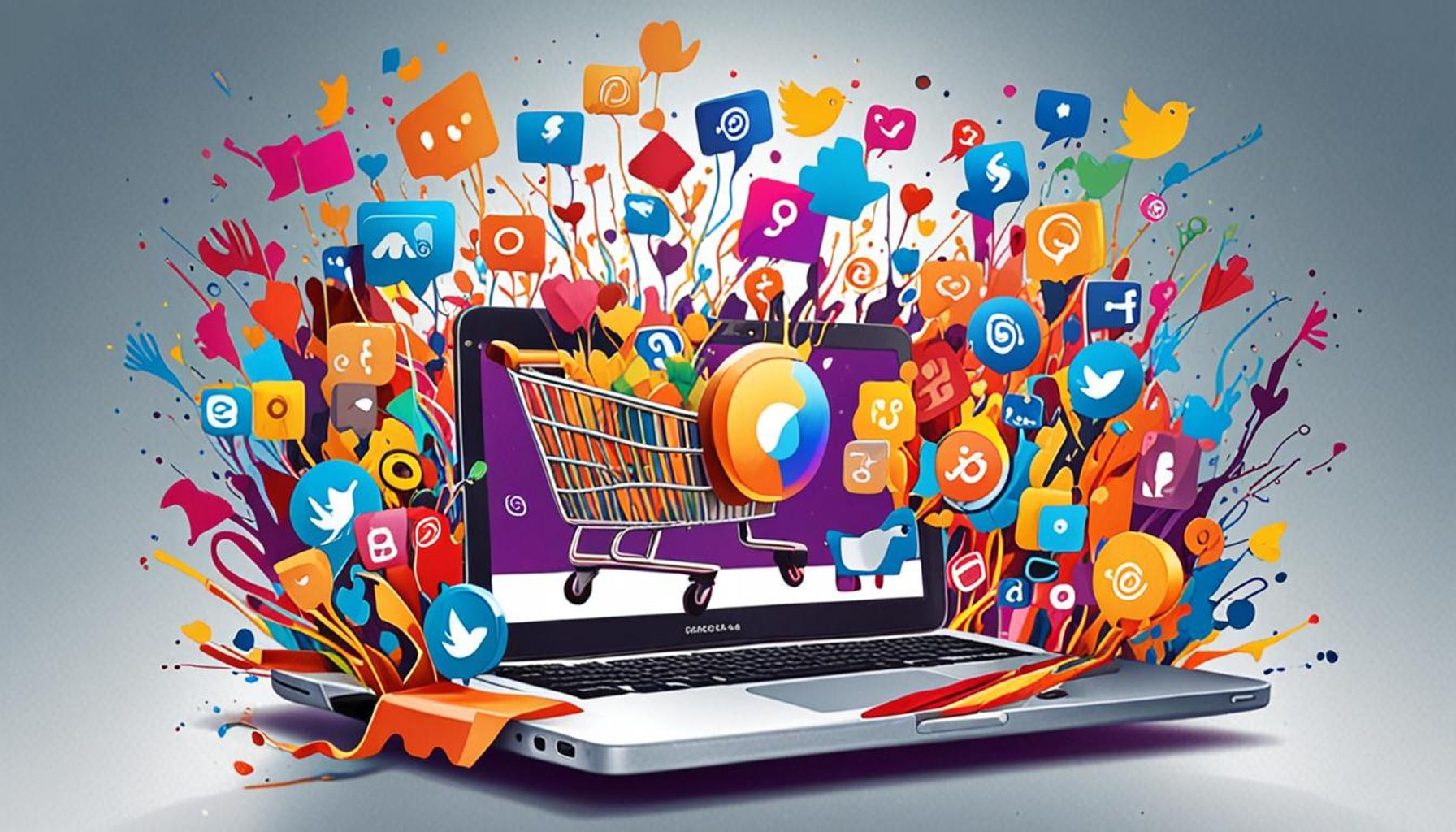
In recent years, the retail landscape has experienced a remarkable evolution, primarily driven by the integration of social media into the shopping experience. In the Philippines, this dynamic shift has manifested through the rise of social commerce, a fascinating fusion of e-commerce and social media, where users can easily discover, share, and purchase products without leaving their preferred platforms.
As a nation known for its high social media penetration, with millions actively engaging across various platforms, the Philippines has become a fertile ground for social commerce to flourish. Filipinos are not just consumers in this digital age; they are enthusiastic participants in an interactive marketplace that enhances their shopping experiences.
Driving Forces Behind Social Commerce
Several factors are driving the dramatic rise of social commerce in the Philippines:
- Accessible Technology: The increasing ownership of smartphones among Filipinos has revolutionized how people shop. With the majority of the population owning high-tech devices, online shopping has become intriguing and convenient, enabling consumers to browse and purchase products with just a few taps on their screens.
- Engagement through Social Media: Platforms like Facebook, Instagram, and TikTok are evolving beyond mere social interactions. They serve as vibrant marketplaces, enticing users with visually appealing content and enabling brands to showcase their products through eye-catching posts and engaging stories. This shift has made it possible for consumers to shop while scrolling through their feeds, integrating spending into daily activities.
- Influencer Marketing: The influence of notable personalities on social media cannot be undervalued. Influencers have garnered significant trust and attention from their followers, making them powerful advocates for brands. In the Philippine context, local influencers often highlight homegrown products, which not only bolsters brand awareness but also encourages community support for local businesses.
Impact on Local Businesses
The rise of social commerce has profound implications for local businesses. Small enterprises and budding entrepreneurs are seizing this opportunity to reach broader audiences, breaking geographical barriers that once hindered growth. For instance, a small artisanal crafts shop in Cebu can effectively market its products to a nationwide audience through Instagram, showcasing its unique offerings while connecting with potential customers like never before.
Customer experiences are also evolving, as brands leverage data-driven insights to personalize marketing strategies. With interactive features like polls, live streams, and user-generated content campaigns, businesses are creating a sense of community among their customers, ultimately fostering loyalty and increasing sales.
Looking Ahead
As we navigate through the social commerce revolution, it is evident that this trend is reshaping sales strategies and consumer behavior in the Philippines. With an ever-growing online marketplace driven by social media, local businesses are not just adapting—they are thriving. From innovative marketing techniques to the intimacy of engaging with consumers directly, social commerce is fundamentally redefining how retail is conducted. The future promises a rich landscape of opportunities where creativity and technology intersect, paving the way for even more dynamic shopping experiences.
In conclusion, embracing the social commerce phenomenon is not merely a trend; it is an essential evolution in retail that resonates deeply with the Filipino spirit of community and connectivity. As we further explore the unfolding stories of success and innovation, one thing remains clear: the journey into social commerce continues to be an exciting adventure.
SEE ALSO: Click here to read another article
Transformational Trends in Consumer Engagement
The surge of social commerce in the Philippines is more than just a trend; it represents a significant transformation in how consumers interact with brands and make purchasing decisions. For many Filipinos, social media platforms have evolved into comprehensive shopping destinations where the lines between browsing, discovery, and buying blur seamlessly. This evolution is characterized by a multitude of engaging features that keep consumers captivated and actively participating in the shopping process.
One of the most striking trends is the rise of social proof. Filipinos are increasingly influenced by the opinions and experiences of their peers when considering a purchase. Positive reviews and testimonials shared within communities on platforms like Facebook and Instagram significantly sway purchasing behavior. This demonstrates the power of social endorsements in shaping consumer trust, where a friend’s recommendation often reigns supreme over traditional advertising.
The Power of Visual Marketing
Moreover, the visually-driven nature of platforms like Instagram has further fueled the growth of social commerce. Brands are recognizing the importance of aesthetic visual content to attract consumers. Eye-catching product photos, engaging video content, and trends like Instagram Stories have all contributed to a vibrant digital marketplace that captures users’ attention. This emphasis on visual storytelling is pivotal in the Philippines, given the country’s strong cultural inclination towards creativity and artistic expression.
As businesses adapt to the demands of online shoppers, they are also leveraging innovations such as augmented reality (AR) to enhance the shopping experience. For example, by allowing potential buyers to virtually “try on” products before purchasing, brands are increasing the likelihood of conversion and reducing return rates. This interactive approach not only enriches the user experience but also helps consumers feel more confident in their choices.
Social Media Advertising: A Game Changer
With the expansion of targeted advertising options, brands are now able to reach their target demographics more effectively. Social media platforms utilize sophisticated algorithms that analyze user behavior and preferences, allowing businesses to tailor their ad campaigns for better outcomes. As a result, local brands can stand out in a crowded marketplace by reaching the right audience at the right time. Some key strategies employed in social media advertising include:
- Sponsored Posts: Brands leverage popular influencers to create authentic promotional content that resonates with their followers.
- Targeted Ads: Businesses can customize ads based on specific parameters such as location, interests, and even purchasing history to maximize engagement.
- Promotional Campaigns: Timely offers, discounts, and flash sales are effectively advertised to drive immediate purchases and generate buzz around products.
While traditional retail methods still hold their ground, it is clear that social media is becoming integral to the shopping experience in the Philippines. As consumer behavior continues to evolve, businesses must adapt; both established and emerging brands are discovering the unique advantages of embracing social commerce. The integration of social media in retail not only enhances the purchasing experience but also fosters relationships between consumers and brands, making it an essential part of the future of sales in the country.
CHECK OUT: Click here to explore more
The Rise of Influencer Marketing
As social media continues to grow as a cornerstone of Filipino consumer culture, the phenomenon of influencer marketing has gained remarkable traction. In a country where personal relationships and trust are fundamental to social interactions, influencers have carved out a niche that enables them to connect with audiences authentically. This power dynamic is particularly significant in the Philippines, where local influencers often resonate more deeply with consumers than traditional celebrities.
Brands are harnessing this influence by collaborating with micro and macro influencers who align with their values and target markets. These influencers curate content that showcases products in relatable and aspirational contexts, effectively driving engagement. For example, a beauty influencer on Instagram might share a post featuring a local skincare brand, emphasizing its natural ingredients and affordability—critical aspects that appeal to the Filipino demographic seeking quality yet accessible products. This practice not only increases visibility but also builds a sense of community and relatability, fostering brand loyalty.
Community-Driven Shopping Experiences
Social commerce in the Philippines thrives on the warmth of community and collective participation. Platforms like Facebook and TikTok have become hotbeds of group buying and shared shopping experiences, where users band together to purchase products at discounted rates. Filipino consumers take advantage of group purchasing as a strategy to maximize savings, especially with the cost of living continually on the rise. This communal approach fosters relationships among users while driving demand for highly sought-after products.
Furthermore, closed groups on Facebook often serve as forums for recommendations and discussions about various products, from trendy fashion items to household essentials. Members share their experiences and insights, helping others navigate their purchasing decisions. This interactive buying culture transforms the shopping experience from a solitary venture into a social activity, highlighting the integral role of community in Filipino consumer behavior.
Local Merchants and Small Businesses Embrace Social Commerce
The rise of social commerce is equally empowering for local merchants and small businesses in the Philippines. With limited budgets for traditional marketing methods, entrepreneurs leverage the power of social media to showcase their products and connect directly with consumers. Setting up a shop on social platforms like Instagram or Facebook is often as simple as posting attractive photos and engaging captions.
Local brands, from fashion boutiques in Manila to artisanal food producers in Cebu, are capitalizing on the reach of social media to grow their customer base significantly. They are not only promoting their products but also telling their unique stories, focusing on authenticity and cultural heritage that resonate with Filipino consumers. For example, local coffee brands often share the story of their beans being sourced from sustainable farms, tapping into the growing demand for ethically produced goods.
This direct-to-consumer model empowers small businesses to have greater control over their marketing strategies, creating strong ties with their customers. Even during challenging economic conditions, many local sellers find avenues for growth, proving that social commerce is as much about community support as it is about sales.
As the dynamics of trade in the Philippines continue to evolve, the impact of social media on consumer behavior and business strategies will likely intensify. It is essential for brands, influencers, and consumers alike to navigate this landscape collaboratively, fostering an environment where creativity, trust, and accessibility reign supreme in the thriving realm of social commerce.
CHECK OUT: Click here to explore more
Conclusion
The surge of social commerce in the Philippines marks a transformative shift in how Filipinos engage with brands and make purchasing decisions. As seen through influencer marketing, the creation of community-driven shopping experiences, and the empowerment of local merchants, social media platforms are not merely promotional tools—they are integral to the fabric of modern Filipino consumer culture. Influencers forge authentic relationships, while group purchasing initiatives foster a sense of togetherness and support among users, proving that shopping can be a social activity rather than a solitary task.
Moreover, small businesses are thriving in this dynamic environment, leveraging platforms like Facebook and Instagram to connect directly with their customers. This direct-to-consumer approach not only allows for increased visibility but also builds credibility and trust in local products. The essence of Filipino community spirit shines through as consumers prioritize supporting local enterprises, which enriches the economy and sustains cultural heritage.
As we look to the future, the landscape of social commerce in the Philippines will continue to evolve, driven by the collective creativity and ingenuity of brands, influencers, and consumers alike. The collaboration and meaningful interactions facilitated by social media are set to redefine how sales and marketing operate, establishing a vibrant ecosystem that values authenticity, community, and accessibility above all. Embracing this wave of social commerce not only spells opportunity for businesses but also heralds a new era of consumer empowerment in the Philippines.