The Impact of Artificial Intelligence on Creative Industries
Understanding the Impact of AI on Creative Industries
Artificial Intelligence (AI) is rapidly transforming the world around us, and its influence on creative industries is profound. From visual arts to music and content creation, AI is reshaping how creatives work and engage with their audiences. The transformation is not just a passing trend; it’s a fundamental shift in the creative process.
Automation of Repetitive Tasks
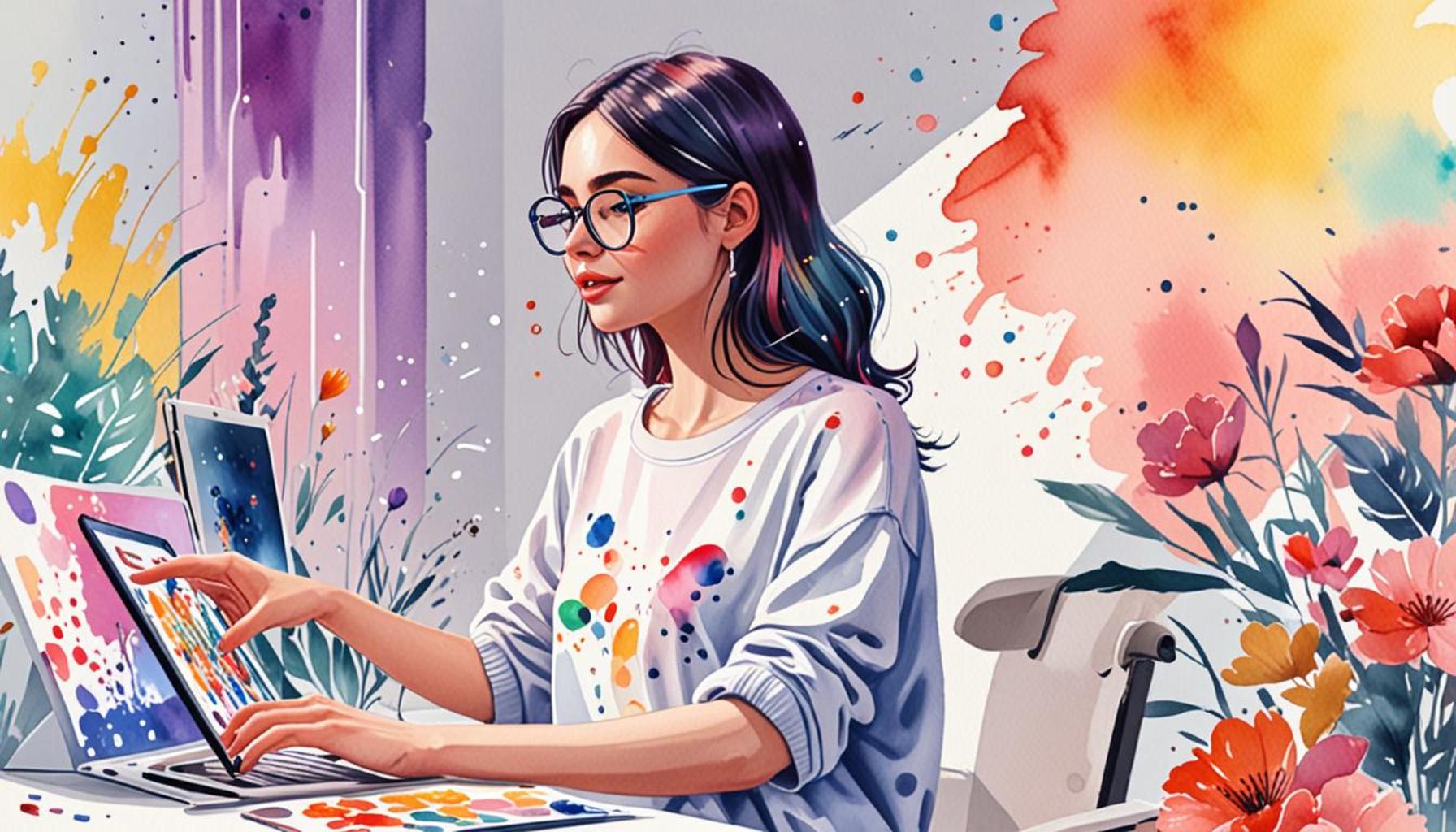
Automation of routine tasks is one of the most significant ways AI is enhancing creativity. For instance, artists often spend substantial amounts of time on mundane tasks such as editing images, managing their portfolios, or scheduling social media posts to promote their work. Software tools powered by AI can take over these repetitive tasks, allowing creatives to redirect their energy towards artistic pursuits. For example, Adobe’s Sensei offers automated photo editing features that can vastly reduce the time required for post-processing images, helping photographers focus more on capturing the perfect shot rather than spending hours in the editing suite.
Enhanced Creativity
In addition to streamlining processes, AI can also boost creative potential. Machine learning algorithms can analyze vast datasets to generate ideas that artists may not have thought of on their own. AI-driven tools can suggest color palettes for graphic designers, or even create music compositions based on the artist’s style. For instance, OpenAI’s GPT, which can generate text that mimics human writing, is being utilized by writers to brainstorm plots or develop dialogue, effectively acting as a brainstorming partner. This sort of collaboration between human and machine augments the creative process, leading to innovations that may not have been achieved independently.
Tailored Experiences
Moreover, AI enhances the way audiences interact with creative content through personalization. Many platforms now use AI algorithms to analyze user behavior, preferences, and engagement patterns to curate personalized content that resonates with individual users. For example, streaming services like Spotify or Netflix leverage AI to recommend music or films to users based on their past viewing history. This level of customization not only heightens user satisfaction but also fosters a stronger connection between the artist and their audience.
However, the integration of AI in creative fields does not come without its challenges. The nuanced questions surrounding originality, copyright, and the value of human creativity are more prominent than ever. For example, if an AI-generated artwork goes viral, who holds the rights to that piece—the programmer, the user who input the data, or the AI itself? These uncertainties highlight the importance of dialogue around ethical considerations in the application of AI in creative settings.
As we navigate this uncharted territory, understanding both the advantages and challenges presented by AI will be crucial for anyone involved in creative sectors. This knowledge empowers artists and creators to leverage AI effectively while maintaining their unique artistic voices.
DIVE DEEPER: Click here to discover more
Redefining Roles in Creative Workspaces
The infusion of AI into creative industries is not merely about enhancing efficiency; it is significantly redefining roles within creative workspaces. As machines take over certain aspects of the creative process, the skill sets required in these fields are evolving. This change is evident across various domains, ranging from graphic design to music production, where the collaboration between humans and machines is becoming increasingly commonplace.
Collaboration Between Humans and AI
One of the most exciting developments in creative industries has been the emergence of collaborative tools that blend human intuition with AI’s data-driven insights. Creative professionals are starting to work alongside AI as a partner rather than viewing it purely as a tool. For instance, in the realm of music, platforms like Amper Music allow composers to harness AI to generate musical tracks. The user can input specific parameters such as mood, style, and instruments, and the AI then outputs a composition that the user can refine further. This collaboration opens up new avenues for creativity, empowering artists to push the boundaries of their craft.
Dynamic Content Creation
Another notable impact of AI on creative jobs is the advancement of dynamic content creation. This is particularly relevant in advertising and marketing, where companies are increasingly leveraging AI to generate personalized advertisements tailored to individual users. AI systems analyze user data to determine what types of content resonate most with specific demographics—leading to more effective marketing strategies. For example, Facebook and Google advertising platforms utilize sophisticated algorithms to optimize ad placements based on user activity and preferences, facilitating more targeted outreach efforts.
- Enhanced Advertising Strategies: Companies can adjust ad content dynamically based on real-time engagement metrics.
- Audience Insights: Marketers gain invaluable insights into consumer behavior, enabling them to craft messages that appeal directly to target audiences.
- Cost Efficiency: AI-driven insights can save companies money by reducing wasted ad spending on ineffective strategies.
While these advancements are revolutionizing the creative process, they do raise questions about the future of creative professions. As AI becomes more adept at generating content and automating tasks, some fear that traditional roles may diminish or even disappear altogether. However, it is essential to recognize that these changes do not signal an end to human creativity. Instead, they signify an opportunity for professionals to elevate their skills and redefine the value they bring to their work. By embracing AI, creatives can focus on higher-level thinking, strategic decision-making, and innovative problem-solving.
Overall, AI is reshaping the landscape of creative industries, paving the way for new roles and collaborative opportunities. As these changes unfold, it is imperative for creatives to adapt and leverage AI technologies to enhance their craft, ensuring that human ingenuity continues to shine in an increasingly automated world.
DISCOVER MORE: Click here to learn how innovation is reshaping shopping
Transforming Creative Processes
As AI continues to permeate the fabric of creative industries, it is also transforming creative processes in ways that were once unimaginable. This transformation is evident in the production cycles of visual effects in films, digital art, and even literature. By streamlining workflows and augmenting creative capabilities, AI is acting as a catalyst for innovation and exploration.
Art and AI: A New Medium
In the realm of visual arts, AI is not just a tool for artists; it is emerging as a new creative medium. With systems like DeepArt and DALL-E, artists can turn simple sketches into vibrant masterpieces through machine learning algorithms. These platforms analyze existing art styles and apply them to original input, creating unique hybrid images that blend human creativity with computational capabilities. This phenomenon raises intriguing questions about authorship and originality. As AI-generated art becomes more frequent, discussions on copyright laws and the definition of artistic talent gain prominence.
Content Curation and Recommendation Systems
Another key area where AI is making a significant impact is in content curation and recommendation systems. Streaming services like Netflix and Spotify utilize AI algorithms to analyze user behavior and preferences, offering personalized content suggestions that keep audiences engaged. By evaluating what users are watching or listening to and correlating it with intricate data points, these platforms can deliver tailored experiences that enhance user satisfaction. This level of personalization not only brings users closer to the content they love but also significantly influences their consumption habits, ultimately shaping industry trends.
- Engagement Metrics: Personalized recommendations foster a deeper connection between consumers and the content they enjoy, increasing viewership and listenership.
- Artist Discoverability: Emerging artists can find their audiences more efficiently, while established artists benefit from increased exposure based on curated suggestions.
- Market Analysis: Understanding audience preferences in real-time enables content creators to develop projects that resonate with viewers and listeners.
The availability of AI-powered analytics tools allows creative professionals to make data-informed decisions that inform everything from production to distribution. This capability not only enhances creativity but also opens up previously uncharted avenues for innovation within various sectors of the industry.
Ethics and Authenticity in AI-Created Works
However, the rise of AI in creative industries is not without its challenges. The integration of AI raises essential questions about ethics and authenticity. For instance, how does one assign value to art generated by algorithms? Are works produced by AI machines less authentic than those crafted by human hands? These are complex issues that industry stakeholders—including artists, developers, and consumers—need to navigate. There is a growing sentiment that the human touch and intent cannot be entirely replicated by AI, warranting a careful examination of what it means to be a creator in this new reality.
Moreover, as AI technology continues to advance, there is a pressing need for regulatory frameworks that address the ramifications of AI in creative fields. Ensuring that artists’ rights are protected and that the creativity of humans remains paramount is essential in maintaining a balanced ecosystem where both AI and human creativity thrive.
DISCOVER MORE: Click here to learn about data analysis in supply chain optimization
Conclusion
The influence of artificial intelligence on creative industries is both profound and multifaceted. As we navigate this new digital landscape, it becomes increasingly clear that AI is not merely a supplementary tool but is shaping the very essence of creativity. From redefining the roles of artists and authors to enhancing content curation and audience engagement, AI has emerged as a pivotal force driving innovation and efficiency.
For instance, music composition software powered by AI can analyze vast amounts of data to identify trending chords and rhythms, helping musicians craft popular hits that resonate with audiences. Similarly, writers can utilize AI-driven tools to generate story ideas or even assist in drafting manuscripts, allowing them to accelerate the creative process while maintaining a unique voice. Graphic designers can experiment with AI algorithms that generate art based on specific themes, offering unprecedented pathways for artistic innovation.
Furthermore, while AI-generated works challenge traditional notions of authenticity and authorship, they also present unique opportunities for artists to experiment and collaborate with algorithms. This partnership allows for a fusion of human emotion and machine efficiency, ultimately expanding the boundaries of creative expression. The conversation surrounding these innovations must also consider ethics, ensuring that creative rights and human contributions remain safeguarded in this evolving landscape.
As we look toward the future, it is essential for all stakeholders—artists, developers, and consumers—to engage in dialogue that fosters understanding and adapts regulatory frameworks to effectively integrate AI within the creative realm. This balance will ensure that while we welcome the capabilities of AI, we continue to celebrate and prioritize the distinct human qualities that make art and creativity so profoundly impactful. Ultimately, this ongoing journey can lead to a symbiotic relationship between human and machine creativity, holding the promise of unprecedented artistic horizons and a richer cultural tapestry for generations to come.

Linda Carter
Linda Carter is a writer and expert known for producing clear, engaging, and easy-to-understand content. With solid experience guiding people in achieving their goals, she shares valuable insights and practical guidance. Her mission is to support readers in making informed choices and achieving significant progress.