
The Role of Automation in Shein’s Logistics: Efficiency and Speed in Delivery
Revolutionizing Retail Logistics
In the fast-paced world of fashion retail, Shein stands out not just for its trendy styles, but also for its innovative approach to logistics. Leveraging the power of automation allows the brand to maintain efficiency and speed in delivery, reshaping consumer expectations for fast fashion. This technological prowess is quickly becoming a key differentiator in the competitive landscape of retail.
The reach of automation extends into several critical areas of its operations. A closer look reveals the mechanics behind its efficiency:
- Inventory Management: Automated systems track inventory levels in real-time, which significantly improves accuracy in stock management. For instance, Shein uses advanced inventory algorithms that help predict stock needs based on current trends and historical sales data. This ensures that popular items are replenished promptly, thereby preventing out-of-stock situations that can frustrate consumers.
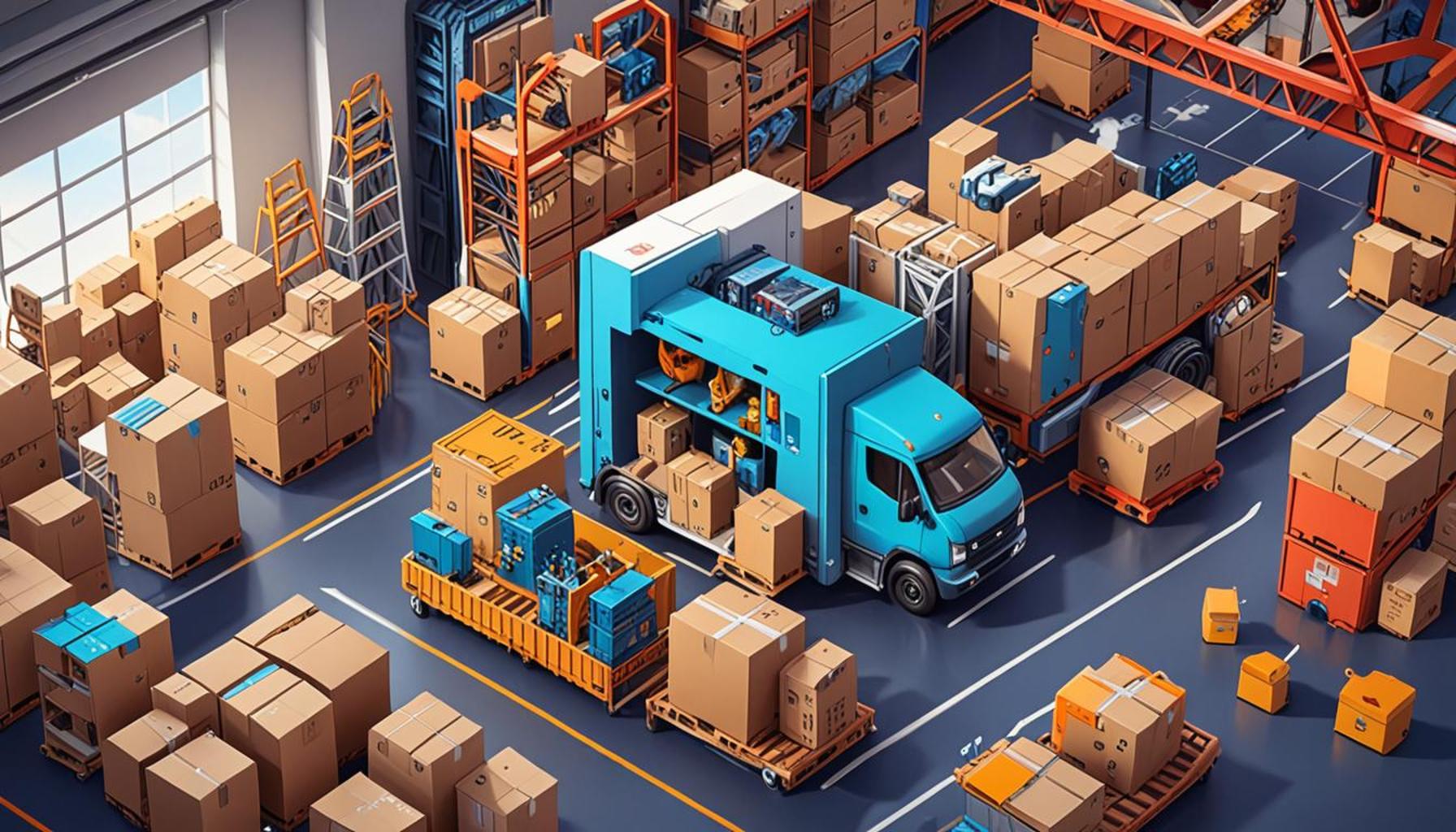
- Order Fulfillment: Robotics play a vital role in streamlining picking and packing processes within warehouses. Many of Shein’s fulfillment centers utilize automated guided vehicles (AGVs) that transport items from storage to packing stations without human intervention. This not only accelerates the fulfillment process but also reduces errors associated with manual handling.
- Shipping Optimization: Advanced algorithms help determine the fastest and most cost-effective shipping routes. By analyzing various factors such as weather conditions, traffic patterns, and historical shipping data, Shein can optimize delivery logistics. This means faster delivery times, often as little as a few days, enhancing the customer experience significantly.
This strategic implementation of automation not only leads to quicker delivery times but also enhances overall customer satisfaction. The integration of data-driven insights allows Shein to effectively meet the growing consumer demand for speedy delivery without compromising on quality or increasing costs excessively.
Emphasizing automation also positions Shein to swiftly adapt to rapidly changing market dynamics and evolving consumer preferences. In an era where consumer attention spans are short and brand loyalty can be fleeting, the ability to respond quickly to trends is indispensable. Whether it’s collaborating with social media influencers or introducing new lines based on emerging fashion trends, Shein’s logistics framework ensures it stays ahead of the curve.
The concerted focus on technology not only streamlines operations but also allows for scalability. As Shein continues to dominate the fast fashion sector, its experience illustrates a larger trend in retail logistics where innovation is not just beneficial but essential. Investing in technology and automation may very well define the next era of retail, paving the way for remarkable efficiency and enhanced consumer experiences.
DON’T MISS OUT: Click here for the effortless return and exchange guide
Streamlining Operations through Robotics and Data Insights
As Shein leans heavily into automation, the results are clear: a logistics model that not only meets but frequently exceeds customer expectations. The brand’s integration of advanced robotics and data analytics into its logistics framework has set a new standard for efficiency and speed in delivery. But how exactly does Shein harness these technologies to transform its operations?
The effectiveness of Shein’s logistics can be linked to a multitude of automated processes designed to fine-tune various elements of its supply chain. Here are some key components:
- Automated Picking Systems: In warehouses across the United States and globally, Shein employs automated picking technologies. These systems utilize machine learning algorithms that guide robots to the most efficient storage locations. By reducing the time spent locating and retrieving items, Shein can process orders faster than traditional warehousing methods.
- Data-Driven Demand Forecasting: Shein’s platform collects vast amounts of consumer data, allowing for insightful trend analysis. This predictive capability enables the company to anticipate demand more accurately, ensuring that products match market desires. With improved forecasting, Shein minimizes excess inventory, reducing holding costs and streamlining operations.
- Real-Time Tracking: Automation has also enhanced Shein’s capabilities in providing real-time order tracking information. With the integration of IoT (Internet of Things) devices, customers can monitor their orders from the warehouse to their doorstep, increasing transparency and trust in the brand’s delivery processes.
This focus on automation empowers Shein to respond rapidly not only to current customer needs but also to changing market conditions. In a landscape where consumer preferences can shift overnight, Shein’s logistics framework allows for nimble adjustments. For example, when popular influencers promote specific products, Shein can quickly ramp up production and distribution to capitalize on these trends, resulting in a competitive advantage.
Moreover, the role of automation extends into Shein’s sustainability efforts. By optimizing logistics operations, the brand can also reduce its carbon footprint. Automation ensures that resources are used more efficiently, from energy consumption in warehouses to minimizing waste through improved packing practices. The company’s commitment to going green without sacrificing efficiency illustrates how technological advancement can complement environmental responsibility.
This strategic adoption of automation is not merely about keeping pace; it’s about setting the pace for others in the fast fashion industry. As consumers increasingly prioritize rapid delivery alongside quality, Shein’s logistical innovations highlight the vital importance of technology in meeting these expectations. It is clear that Shein is not just reacting to current retail trends; it is shaping the future of logistics in fashion, demonstrating how automation can seamlessly blend efficiency with customer satisfaction.
In the fast-paced world of e-commerce, particularly in the realm of fashion retail, automation has emerged as a cornerstone of operational efficiency. Shein, a prominent online fashion retailer, leverages automation not just to streamline its logistics but to enhance overall customer experience. One of the critical components of Shein’s logistics is its warehouse management system, which utilizes sophisticated software and robotics to optimize inventory storage and retrieval processes. This technology ensures that products are accurately tracked and swiftly dispatched, significantly reducing delays and human error.Moreover, automation in Shein’s logistics extends beyond the warehouse. The brand employs advanced algorithms for demand forecasting, which allow it to predict trends and manage inventory more effectively. By analyzing consumer behavior and purchasing patterns, Shein can adjust its stock levels accordingly and ensure that popular items are always available, thereby avoiding stockouts that could lead to lost sales.With automated sorting systems in place, Shein can process a higher volume of orders within a shorter time frame. These systems not only enhance speed but also allow for more accurate order fulfillment. When packages are sorted automatically, the likelihood of misdeliveries decreases, enhancing customer satisfaction. Furthermore, Shein’s commitment to speed in delivery is evident in its partnerships with logistics providers that utilize cutting-edge tracking technologies, allowing customers to receive real-time updates on their orders.For those interested in the impact of automation on logistics, studying Shein’s model reveals how technology can lead to a competitive advantage. By continually investing in automated solutions, Shein aims to adhere to its promise of fast and efficient delivery, positioning itself as a leader in the highly competitive landscape of online fashion retail.In conclusion, the use of automation in Shein’s logistics framework is not merely a technological upgrade; it’s a pivotal strategy that reshapes the efficiency and speed of delivery, all while ensuring customer satisfaction remains at the forefront of its operations.
DISCOVER MORE: Click here to explore the strategies
Enhancing Customer Engagement through Automation
While Shein’s logistics advancements through automation focus on operational efficiency, they also play a significant role in enhancing customer engagement. As internet shopping continues to rise in popularity, brands must prioritize seamless user experiences to retain competitiveness. Shein recognizes that automation does not only optimize logistics; it also influences the interactions customers have with the brand.
Personalized Shopping Experiences are crucial in today’s digital marketplace, and Shein leverages automation to create unique and tailored experiences. By employing sophisticated algorithms that analyze user behavior and preferences, Shein can provide custom recommendations to shoppers based on their browsing history. This personalization not only increases conversion rates but also helps foster brand loyalty, as customers feel understood and valued. According to recent industry studies, personalized shopping experiences can significantly boost engagement rates by up to 23%.
Furthermore, automated customer service platforms are transforming how Shein interfaces with its clientele. With the integration of AI-driven chatbots, the brand is capable of addressing customer inquiries 24/7. These chatbots utilize natural language processing to understand and respond to user questions swiftly, ensuring quick resolutions to common issues. This greatly enhances overall customer satisfaction, which is a key component of Shein’s logistics strategy.
- Customer Feedback Loops: Shein incorporates customer feedback into its operational cycle. Automated systems gather review data and sentiment analysis, which are invaluable for inventory adjustments and quality control. By using automation to process feedback, Shein can evolve its product offerings based on real-time insights.
- Efficient Returns Processing: Returns can be a major pain point in e-commerce, but Shein is tackling this with automated solutions. The brand has established user-friendly return procedures that allow customers to initiate returns with a few clicks. Automated logistics systems streamline the return process, ensuring quick refunds and replacements, thereby reinforcing customer trust.
This focus on automation not only benefits Shein from an operational standpoint but significantly enhances the customer journey as well. By providing timely and relevant interactions, the brand nurtures its relationship with shoppers, driving repeat purchases and sustaining customer loyalty.
Speed in Delivery remains a pivotal promise from Shein. With strategically located fulfillment centers in regions such as the U.S. and Europe, the brand is positioned to utilize automated sorting technologies that facilitate rapid dispatch of orders. These systems categorize and organize items swiftly, allowing for delivery times as short as two days in certain areas. This speed is not just about logistics; it is a competitive differentiator in the crowded fast fashion market.
Additionally, Shein’s investment in automated last-mile delivery solutions showcases the brand’s dedication to ensuring that efficiency does not end at the warehouse. Utilizing geo-tracking and route optimization software, Shein can ensure that packages reach customers quickly and efficiently, minimizing delays. This ability to facilitate quick deliveries not only enhances customer satisfaction but also amplifies the brand’s reputation in an era where instant gratification defines consumer expectations.
As the landscape of e-commerce continues to evolve, Shein’s strategic use of automation positions it at the forefront of the industry, consistently meeting rising consumer demands for efficiency, speed, and personalized engagement. By embracing innovative technologies across its logistics processes, Shein is not merely adapting to change; it is actively shaping a new paradigm for the future of retail.
DISCOVER MORE: Click here to delve deeper into data analysis and market segmentation.
Conclusion: The Strategic Advantage of Automation in Shein’s Logistics
In today’s fast-paced e-commerce landscape, Shein’s integration of automation within its logistics operations stands as a testament to the brand’s commitment to efficiency and speed in delivery. By embracing cutting-edge technologies, Shein not only optimizes its supply chain management but also enhances the entire customer journey, leading to increased satisfaction and loyalty. The automation of personalized shopping experiences allows Shein to cater to individual preferences, thereby fostering a deeper connection with its customers, while AI-driven customer service tools ensure that inquiries are promptly addressed.
Moreover, Shein’s innovative approach to inventory management and returns processing further exemplifies how automation can mitigate pain points commonly faced in e-commerce. By employing advanced systems that streamline returns and enhance feedback loops, the brand is able to respond swiftly to market demands and customer feedback. The strategic placement of fulfillment centers, coupled with automated last-mile delivery solutions, positions Shein to offer some of the fastest delivery times in the industry, a crucial differentiator in the competitive landscape of fast fashion.
As consumer expectations continue to soar, fueled by the demand for instant gratification, Shein remains on the cutting edge of logistics innovation. The brand’s adept use of automation not only sets a benchmark for operational excellence but also lays the groundwork for sustainable growth. In doing so, Shein not only thrives in the present marketplace but also shapes the future landscape of retail, where efficiency, speed, and individualized customer engagement become the hallmarks of success.

Linda Carter
Linda Carter is a writer and expert known for producing clear, engaging, and easy-to-understand content. With solid experience guiding people in achieving their goals, she shares valuable insights and practical guidance. Her mission is to support readers in making informed choices and achieving significant progress.